Fusion Power's Cost Conundrum: A Barrier to Widespread Adoption
The cost of fusion power may be a more significant barrier to widespread adoption than initially anticipated, with estimates suggesting that it could be as high as $100-200 per megawatt-hour. As the industry continues to evolve, we can expect to see significant advancements in fusion research and development, but the cost of the technology will remain a significant challenge.
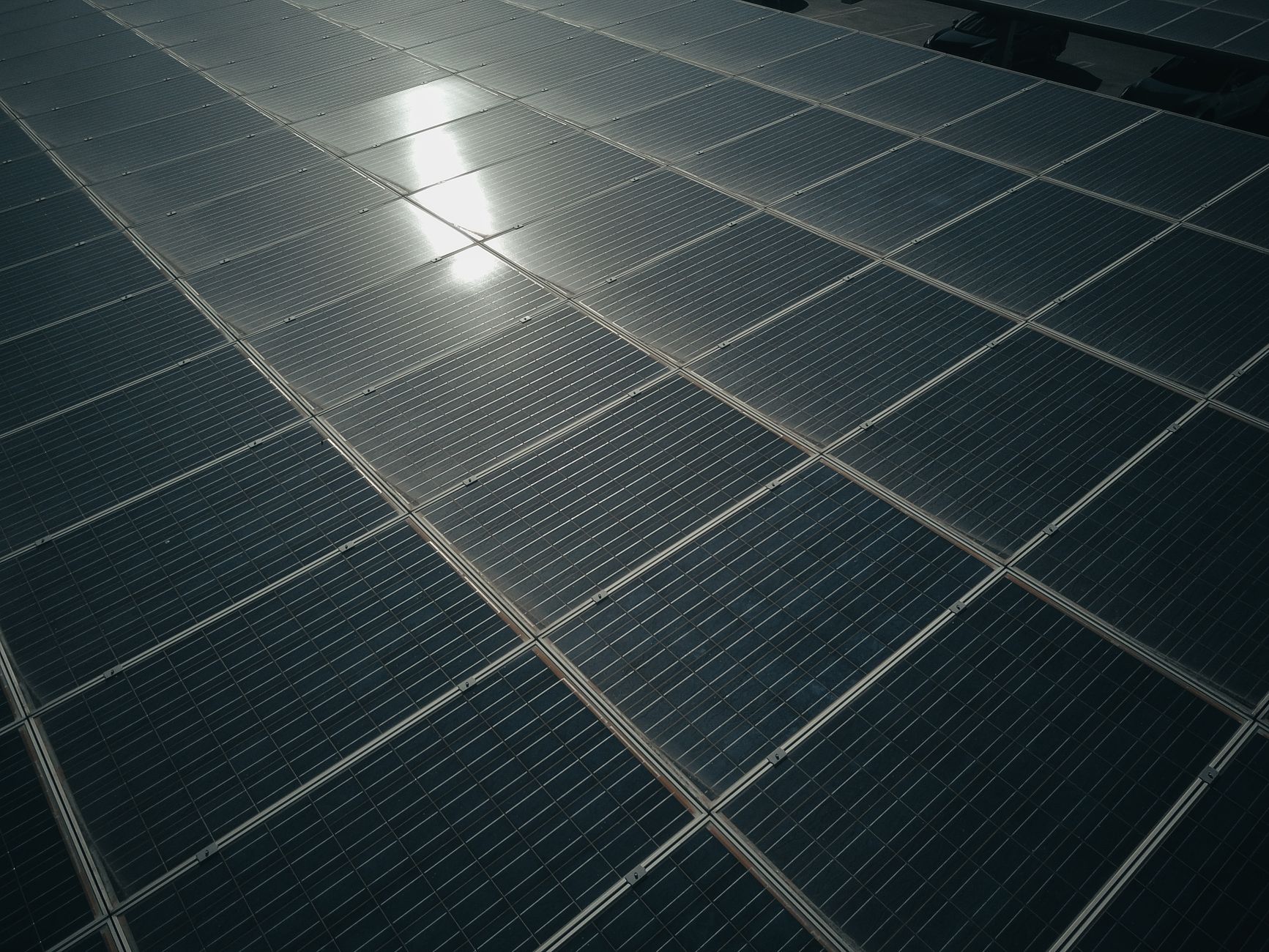
As the world grapples with the challenges of climate change, the promise of fusion power as a zero-emissions energy source has garnered significant attention. However, a closer examination of the economics reveals that the cost of fusion power may be a more significant hurdle than initially anticipated, with estimates suggesting that the cost of generating electricity from fusion could be as high as $100-200 per megawatt-hour, comparable to the cost of electricity from offshore wind farms.
Fusion Power's Economic Landscape
The cost of fusion power is influenced by a complex array of factors, including the cost of materials, labor, and the efficiency of the fusion reaction itself. While researchers have made significant strides in improving the efficiency of fusion reactions, the cost of building and maintaining a fusion reactor remains a significant challenge. According to a report by the National Renewable Energy Laboratory, the cost of building a commercial-scale fusion reactor could exceed $10 billion.
Competing Energy Sources
- Solar energy: The cost of solar energy has decreased by over 70% in the last decade, making it a competitive alternative to fusion power.
- Wind energy: The cost of wind energy has also decreased significantly, with the cost of offshore wind farms decreasing by over 50% in the last five years.
- Nuclear energy: The cost of nuclear energy remains relatively high, with estimates suggesting that the cost of generating electricity from nuclear power could be as high as $150-200 per megawatt-hour.
"The cost of fusion power is a significant challenge, but it's not the only factor that will determine its adoption," said Dr. Rachel Kim, a senior researcher at the Princeton Plasma Physics Laboratory. "We need to consider the overall value proposition of fusion power, including its potential to reduce greenhouse gas emissions and improve energy security."
What This Means for the Industry
In the next 6-12 months, we can expect to see significant advancements in fusion research and development, with several companies and research institutions announcing breakthroughs in fusion technology. However, the cost of fusion power will remain a significant challenge, and it's unlikely that we will see widespread adoption of fusion power in the near term. Instead, we can expect to see a gradual increase in the adoption of fusion power, as the cost of the technology decreases and the overall value proposition becomes more competitive with other energy sources.
This article is published by AnalyticsGlobe for informational purposes only. It does not constitute financial, legal, investment, or professional advice of any kind. Always conduct your own research and consult qualified professionals before making any decisions.
Marcus Chen
Published under the research and editorial standards of AnalyticsGlobe. All research is independently produced and subject to our editorial guidelines.