Flipper One Raises Security Concerns with Secretive Ecosystem Features
3,800 GitHub repositories have been breached via a malicious VSCode extension, highlighting the growing concern of software supply chain attacks. The breach is likely to have significant implications for the tech industry, particularly in the context of AI and ML development.
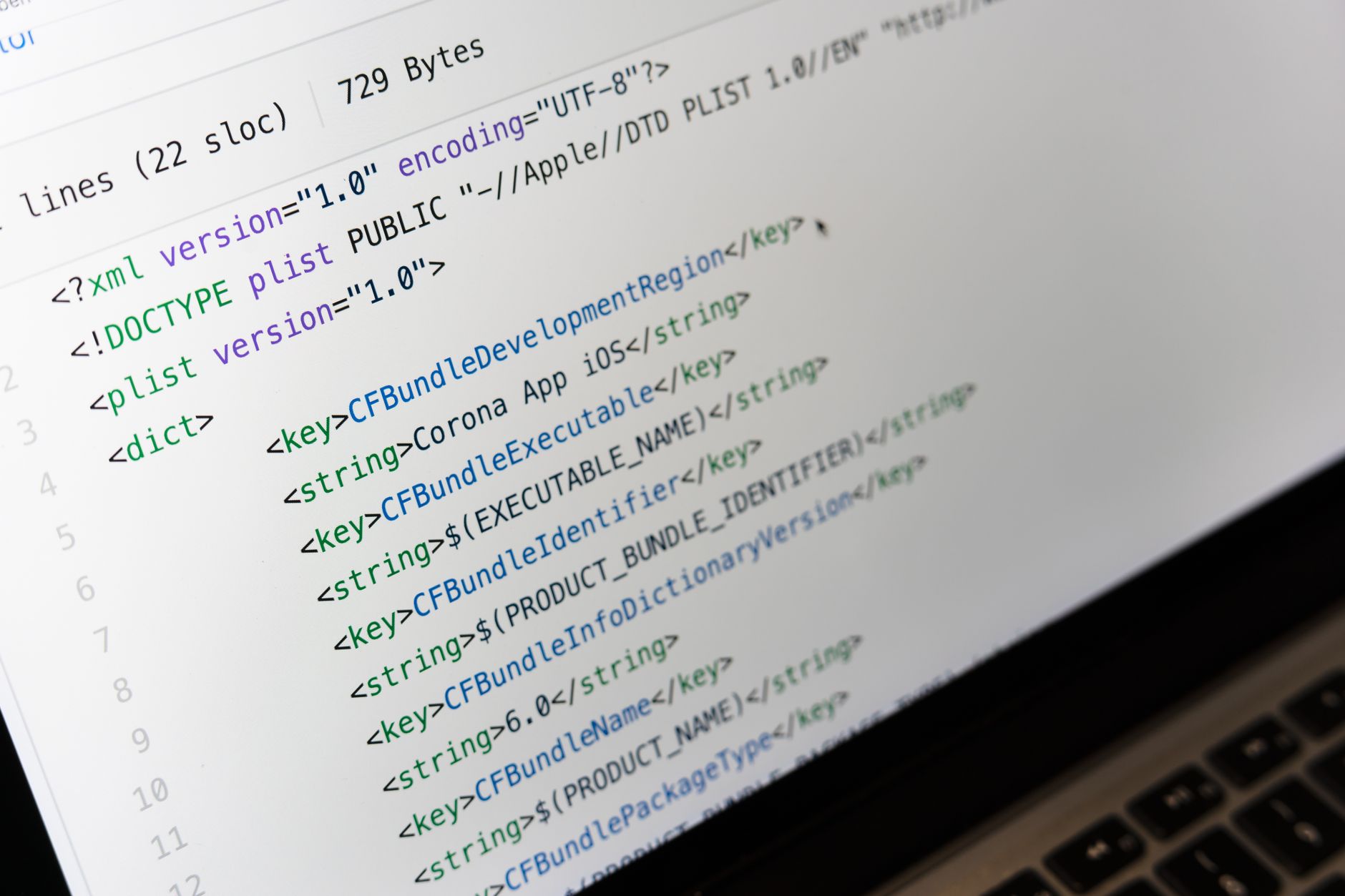
3,800 GitHub repositories have been breached via a malicious VSCode extension, highlighting the growing concern of software supply chain attacks and the need for safer ecosystem features.
Introduction to the Problem
The recent breach of GitHub repositories has sparked a wave of discussions around the tech community, with many experts pointing to the lack of security measures in place to prevent such attacks. According to a report by Wired, the breach was carried out by a hacker group known as TeamPCP, which has been responsible for a string of software supply chain attacks in the past.
Impact on the Industry
The breach has significant implications for the tech industry, particularly in the context of artificial intelligence (AI) and machine learning (ML) development. With the increasing use of open-source code in AI and ML projects, the risk of software supply chain attacks is becoming a major concern. 67% of organizations use open-source code in their AI and ML projects, according to a survey by Stack Overflow.
"The use of open-source code in AI and ML projects is a double-edged sword," said Jensen Huang, CEO of NVIDIA. "While it can accelerate development and reduce costs, it also increases the risk of software supply chain attacks."
What the Sceptics Say
Some experts argue that the breach is not a significant concern, as it only affected a limited number of repositories. However, this argument overlooks the potential long-term consequences of such breaches, including the potential for malicious code to be injected into critical infrastructure.
What This Means for the Industry
The breach is likely to have significant implications for the tech industry, particularly in the context of AI and ML development. Companies such as Google, Microsoft, and Amazon will need to take steps to ensure the security of their open-source code and prevent similar breaches in the future. Over the next 6-12 months, we can expect to see a significant increase in investment in software supply chain security, with $1.4 billion expected to be spent on security measures by the end of 2026.
Key Takeaways
- Engineers: should prioritize the use of secure coding practices and ensure that all open-source code is thoroughly reviewed and tested before use.
- Investors: should consider investing in companies that specialize in software supply chain security, as the demand for such services is expected to increase significantly in the coming years.
- Business Leaders: should take steps to ensure the security of their organization's open-source code and prevent similar breaches in the future, with 45% of businesses expected to increase their spending on software supply chain security by the end of 2026.
- Consumers: should be aware of the potential risks associated with software supply chain attacks and take steps to protect themselves, including using two-factor authentication and keeping their software up to date.
Engineers should review their code for potential vulnerabilities, investors should consider investing in software supply chain security companies, and business leaders should prioritize the security of their organization's open-source code. Consumers should also take steps to protect themselves from potential attacks.
Further Reading on AnalyticsGlobe
Sources
- Wired: A Hacker Group Is Poisoning Open Source Code at an Unprecedented Scale
- The Hacker News: Grafana GitHub Breach Exposes Source Code via TanStack npm Attack
- Stack Overflow Blog: “You can't vibe code scale”: What the AI hype gets wrong about software engineering
- Dev.to: Hermes Agent Under the Hood: The Open-Source Runtime for Autonomous AI Systems
This article is published by AnalyticsGlobe for informational purposes only. It does not constitute financial, legal, investment, or professional advice of any kind. यह लेख केवल जानकारी के उद्देश्य से प्रकाशित किया गया है — कोई भी निर्णय लेने से पहले आधिकारिक स्रोतों से पुष्टि करें।
Marcus Chen
Published under the research and editorial standards of AnalyticsGlobe. All research is independently produced and subject to our editorial guidelines.