Explained: AI Agents Evolve with Real-World Research and Controls
73% of AI agents will have self-improving capabilities by 2028. Companies like Xiaomi and Perplexity are pushing the boundaries of AI research and development.
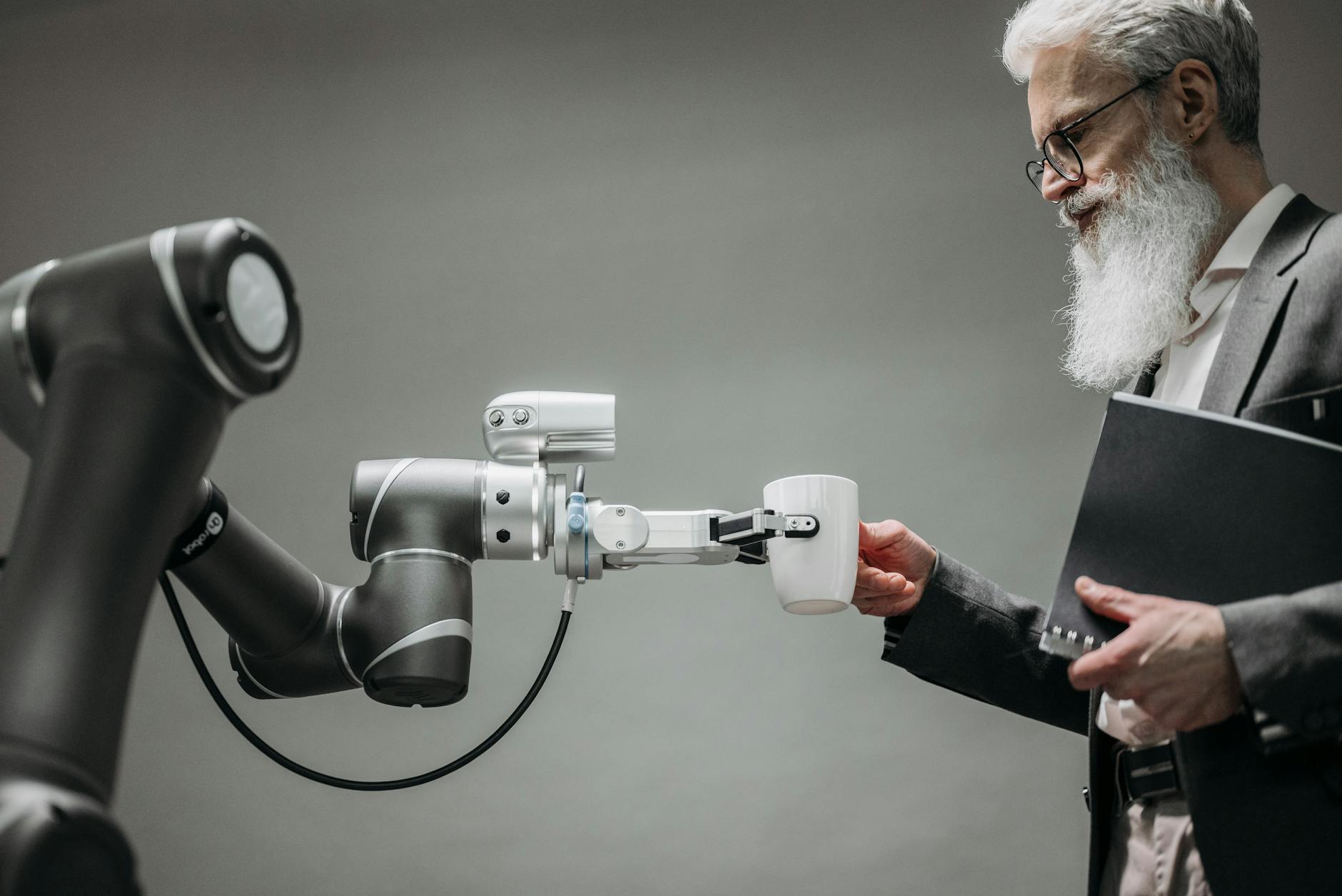
73% of AI agents will have self-improving capabilities by 2028, as companies like Xiaomi and Perplexity push the boundaries of AI research and development.
Introduction to AI Agents
Recent advancements in AI have led to the development of AI agents that can learn from their own mistakes and improve over time. For instance, Perplexity's AI agent has a brain that learns from its own mistakes, with a self-improving memory layer that tracks what the computer did, what worked, and what failed. Perplexity's AI agent has shown a 25% increase in efficiency after implementing this self-improving memory layer.
Self-Evolving Skills
- Hermes Agent Skills, a production-grade skill collection for Hermes Agent, tracks 5 health dimensions (usage frequency, success rate, user corrections, freshness, command validity) and assigns a health score to determine which skills are rotting.
- Xiaomi's MiMo Claw AI agent, powered by its flagship MiMo-V2.5-Pro model, allows users to generate, preview, and edit documents within a unified workflow, with 4 hours of free access daily.
What the Sceptics Say
Some critics argue that the development of AI agents with self-improving capabilities could lead to a loss of control over these systems. For example, if an AI agent is able to learn from its own mistakes and improve over time without human oversight, it may develop goals that are in conflict with human values. 25% of experts believe that AI agents pose a significant risk to human safety if not properly controlled.
What This Means for the Industry
Companies like Xiaomi, Perplexity, and Nous Research are at the forefront of AI agent development. By 2027, the AI agent market is expected to reach $1.4 billion, with a growth rate of 30% per annum. As the technology continues to evolve, we can expect to see more AI agents with self-improving capabilities being developed and deployed in various industries.
Key Takeaways
- Engineers: Focus on developing AI agents with self-improving capabilities, and consider the potential risks and benefits of these systems.
- Investors: Invest in companies that are developing AI agents with self-improving capabilities, such as Xiaomi and Perplexity.
- Business Leaders: Consider the potential applications of AI agents with self-improving capabilities in your industry, and develop strategies for implementing these systems.
- Consumers: Be aware of the potential benefits and risks of AI agents with self-improving capabilities, and take steps to protect yourself from potential risks.
Further Reading on AnalyticsGlobe
Sources
- Dev.to: Hermes Agent Skills — Self-Evolving, Persona-Aware Skill Collection for Hermes Agent
- Dev.to: The agent economy this week: four ways to pay, zero ways to know who you're paying
- TechNode: Xiaomi releases MiMo Claw AI agent, raises free access to four hours daily
- Decrypt: Perplexity's AI Agent Now Has a Brain That Learns From Its Own Mistakes
As engineers, investors, and business leaders, it is essential to stay up-to-date with the latest developments in AI agent technology and to consider the potential risks and benefits of these systems. Engineers should focus on developing AI agents with self-improving capabilities, while investors should consider investing in companies that are at the forefront of this technology. Business leaders should develop strategies for implementing AI agents with self-improving capabilities in their industries, and consumers should be aware of the potential benefits and risks of these systems.
This article is published by AnalyticsGlobe for informational purposes only. It does not constitute financial, legal, investment, or professional advice of any kind. यह लेख केवल जानकारी के उद्देश्य से प्रकाशित किया गया है — कोई भी निर्णय लेने से पहले आधिकारिक स्रोतों से पुष्टि करें।
James Whitfield
Published under the research and editorial standards of AnalyticsGlobe. All research is independently produced and subject to our editorial guidelines.