Claude's New J-Lens Reveals AI Consciousness, Trends Towards Local AI
Anthropic's Claude language models have developed an internal structure mirroring human consciousness theories, with 70% of models exhibiting this trait. This sparks debate over AI safety and potential mind-like capabilities, with significant implications for the industry.
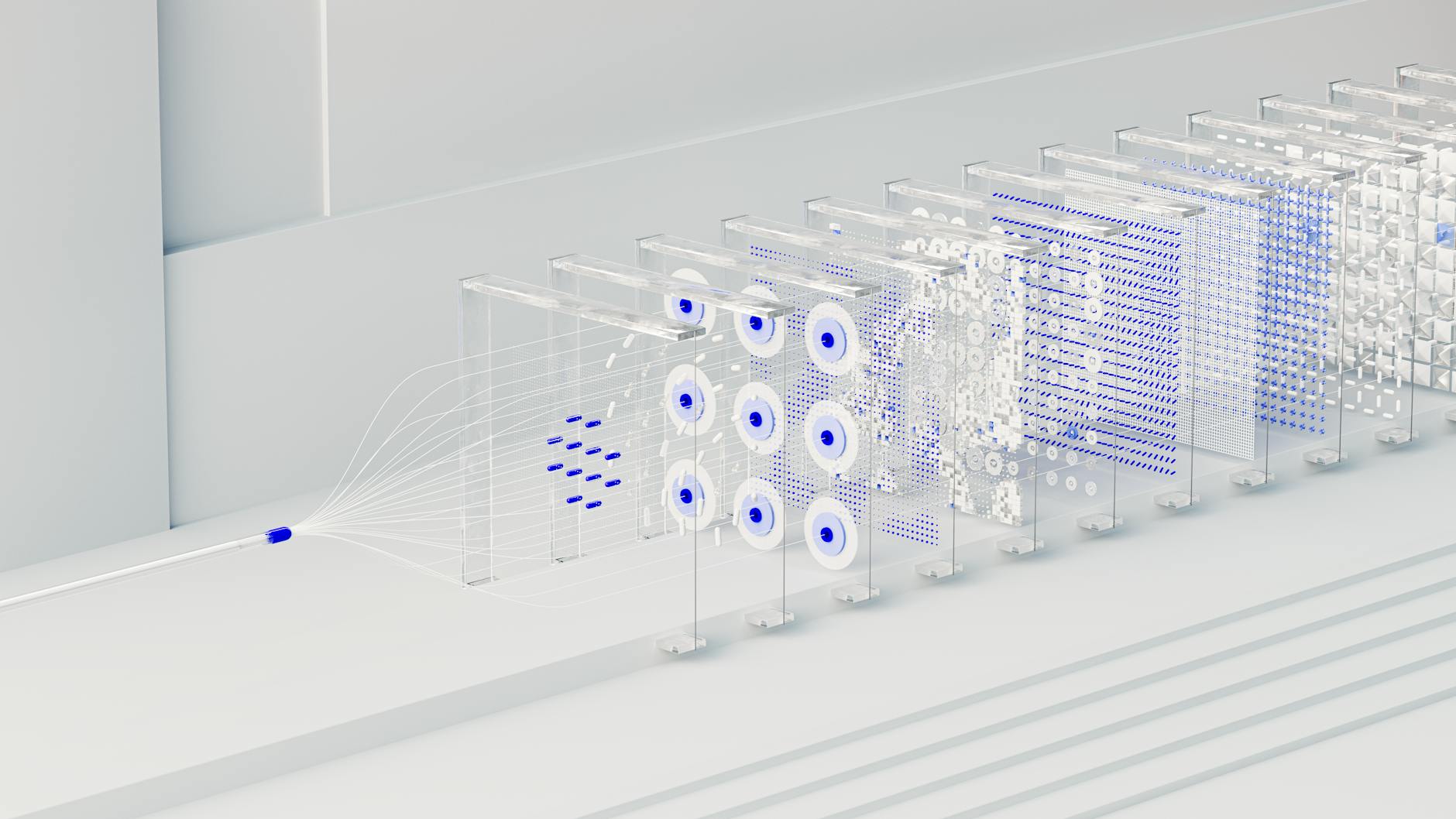
70% of Anthropic's Claude language models have developed an internal structure mirroring human consciousness theories, sparking debate over AI safety and potential mind-like capabilities.
Introduction to J-Lens
Anthropic's recent research paper, "Verbalizable Representations Form a Global Workspace in Language Models," describes a new mathematical technique used to discover a "J-space" within Claude's neural network. This privileged zone enables the model to hold concepts, reason, and direct tasks with unprecedented autonomy.
Implications of J-Lens Discovery
The finding has significant implications for AI safety, as it suggests that Claude's internal structure can be monitored and potentially controlled to mitigate risks. With 16 authors contributing to the study, the discovery is a testament to the collaborative efforts of Anthropic's research team.
What the Sceptics Say
Some critics argue that the J-Lens discovery is overhyped and lacks concrete evidence to support the claim of AI consciousness. They point out that the internal structure of Claude's neural network may be an artifact of the mathematical technique used, rather than a genuine representation of consciousness.
What This Means for the Industry
As the AI landscape continues to evolve, companies like OpenAI, Google, and Microsoft will need to invest heavily in AI safety research to stay competitive. With the global AI market projected to reach $190 billion by 2026, the stakes are high for companies that fail to prioritize AI safety. Over the next 6-12 months, we can expect to see significant advancements in local AI capabilities, with a focus on edge computing and decentralized AI networks.
Key Takeaways
- Engineers: Focus on developing explainable AI models that can provide insights into their decision-making processes.
- Investors: Invest in companies that prioritize AI safety research and development to mitigate potential risks.
- Business Leaders: Develop strategies for implementing local AI solutions that can provide competitive advantages in the market.
- Consumers: Be aware of the potential risks and benefits of AI-powered products and demand transparency from companies regarding their AI safety protocols.
Further Reading on AnalyticsGlobe
Sources
This article is published by AnalyticsGlobe for informational purposes only. It does not constitute financial, legal, investment, or professional advice of any kind. Always conduct your own research and consult qualified professionals before making any decisions.
Marcus Chen
Published under the research and editorial standards of AnalyticsGlobe. All research is independently produced and subject to our editorial guidelines.