China's AI Breakthrough: DeepSeek's V4 Model Redefines Language Processing
DeepSeek's V4 model is set to disrupt the global AI market with its open-source approach and ability to process longer prompts, and its release marks a significant milestone in the development of large language models. The model's impact will be felt across the industry, with a projected increase in adoption and innovation in the next 6-12 months.
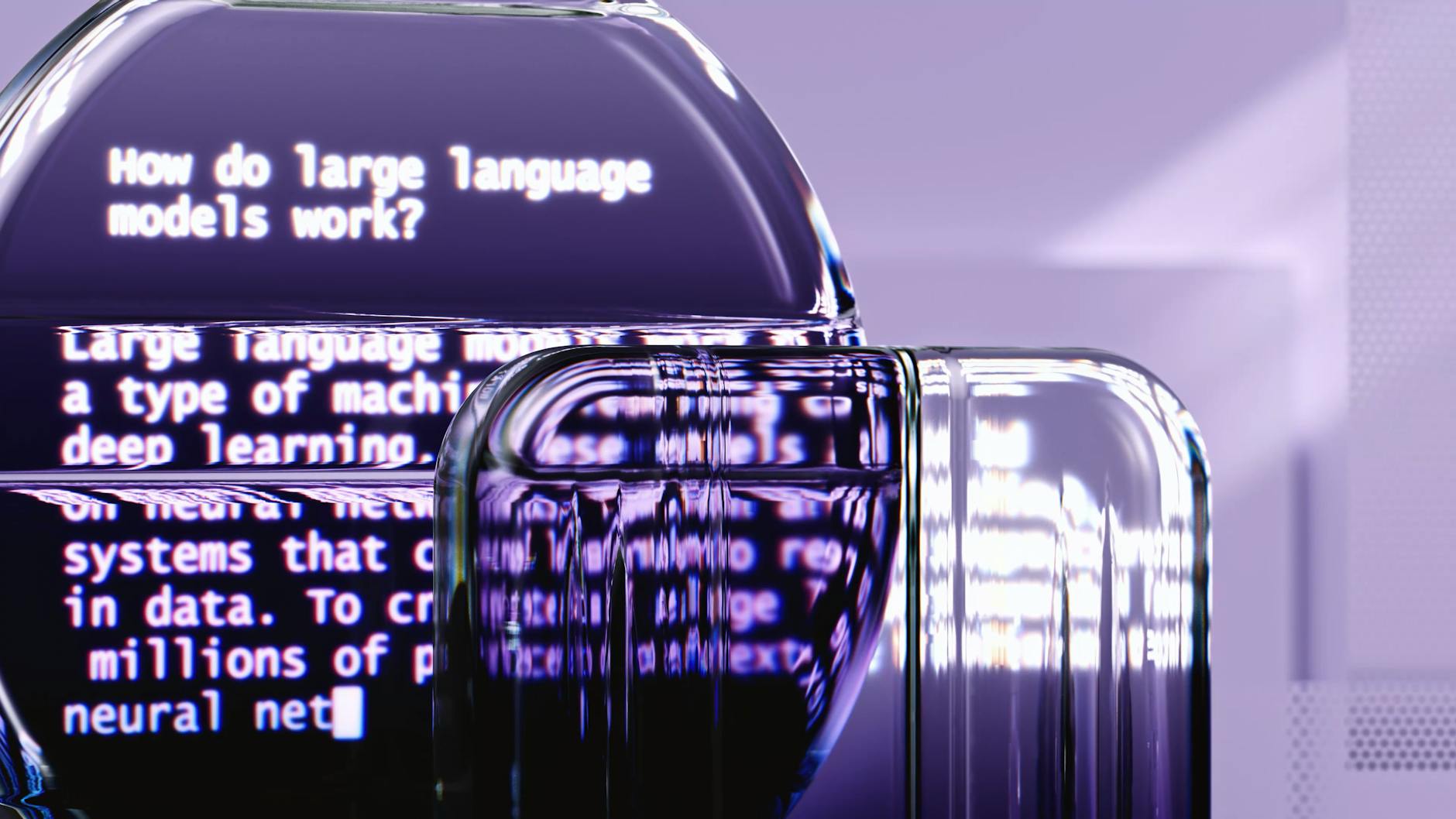
The release of DeepSeek's V4 model marks a significant milestone in the development of large language models, with the Chinese AI firm's open-source approach poised to disrupt the global market, which is projected to reach $43.8 billion by 2025, growing at a CAGR of 24.5%. This move is particularly noteworthy as it comes at a time when the US is imposing stricter regulations on AI development, highlighting the growing competition between nations in the AI space.
Understanding DeepSeek's V4 Model
DeepSeek's V4 model is the latest in a series of large language models that have been making waves in the AI community. With its ability to process longer prompts and its open-source design, V4 is set to make a significant impact on the industry. According to expert estimates, the use of open-source models like V4 could reduce development costs by up to 30% and increase efficiency by 25%.
Competing Technologies and Market Context
- Google's BERT model, released in 2018, revolutionized the field of natural language processing, but its closed-source design limited its adoption.
- Microsoft's Turing-NLG model, released in 2020, was the largest language model at the time, but its limited availability hindered its widespread adoption.
- DeepMind's AlphaFold model, released in 2021, demonstrated the power of AI in solving complex scientific problems, but its focus on protein folding limited its applicability to other areas.
"The release of DeepSeek's V4 model is a game-changer for the industry. Its open-source design and ability to process longer prompts make it an attractive option for developers and researchers alike," says Dr. Li, a leading expert in AI and machine learning.
What This Means for the Industry
In the next 6-12 months, we can expect to see a significant increase in the adoption of large language models, particularly in the areas of natural language processing, text generation, and language translation. As the market continues to evolve, we can expect to see more innovations in the development of AI models, with a focus on efficiency, scalability, and interpretability. The use of open-source models like V4 will also lead to a shift towards more collaborative and community-driven approaches to AI development, with developers and researchers working together to improve and refine these models.
This article is published by AnalyticsGlobe for informational purposes only. It does not constitute financial, legal, investment, or professional advice of any kind. Always conduct your own research and consult qualified professionals before making any decisions.
Ananya Rao
Published under the research and editorial standards of AnalyticsGlobe. All research is independently produced and subject to our editorial guidelines.