Biomethane Revolution: Transforming Waste into Clean Energy
The production of biomethane from waste is poised to revolutionize the energy industry, offering a sustainable and renewable source of energy that can help reduce greenhouse gas emissions and mitigate climate change. With the global biomethane market projected to reach $2.5 billion by 2025, energy companies and waste management firms are investing heavily in production infrastructure to capitalize on the growing demand for clean energy.
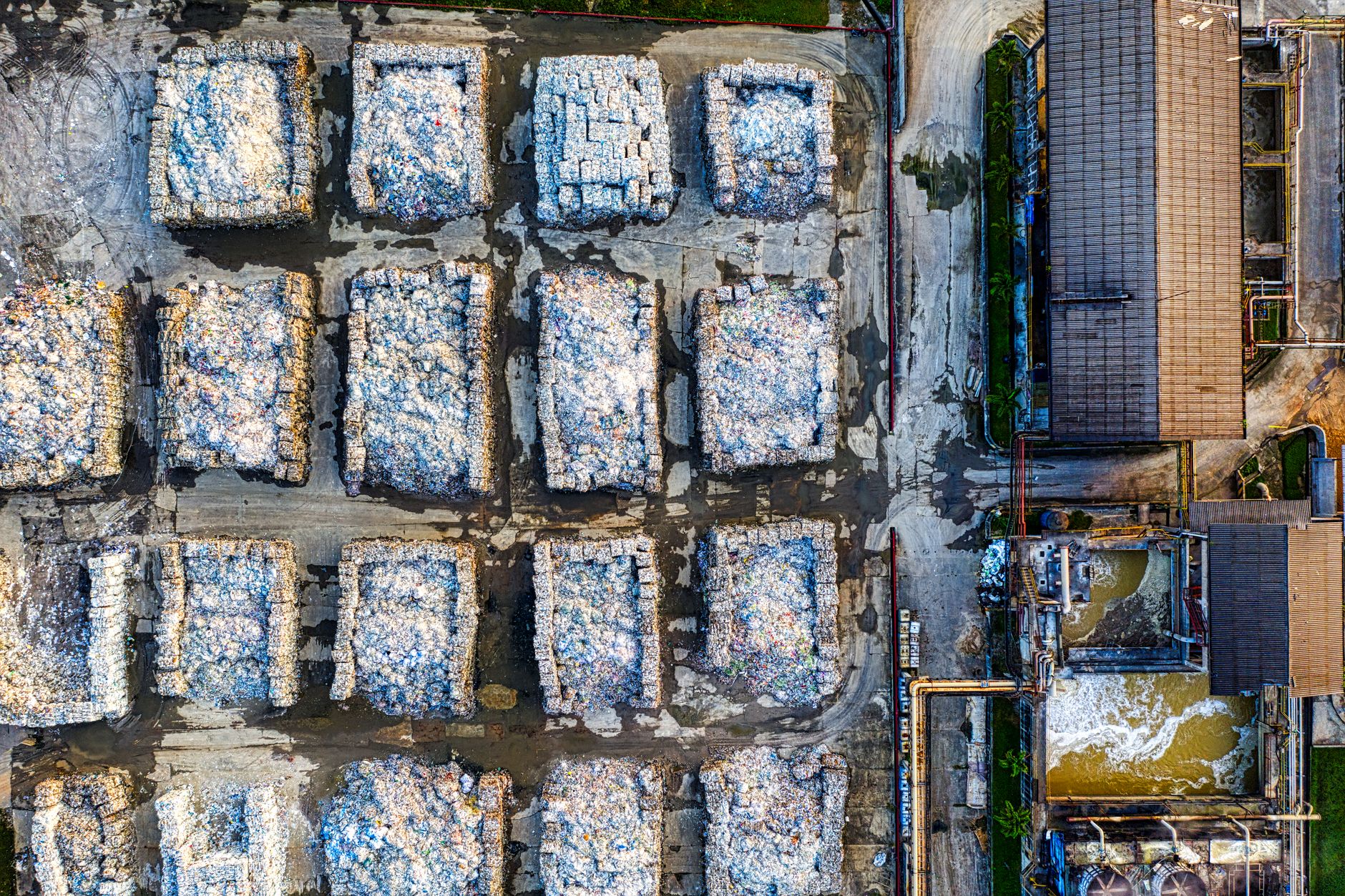
As the world grapples with the challenges of climate change, a staggering 30% of global greenhouse gas emissions can be attributed to the way we manage waste, with organic waste being a significant contributor. However, a recent breakthrough in biomethane production, led by researchers from the University of Melbourne, has paved the way for a revolutionary new approach to turning waste into clean energy. By harnessing the power of biomethane, Australian energy companies and waste management firms can now safely convert organic waste, such as food scraps, sewage, and animal waste, into clean gas for homes and businesses.
The Science Behind Biomethane Production
The research team, led by Professor Mohsen Talei, identified the critical specifications for optimal biomethane quality, making it more cost-effective to produce and informing the latest update of Australian Standards for use by energy producers. This breakthrough has significant implications for the industry, as it enables the widespread adoption of biomethane as a clean and sustainable energy source.
Market Context and Competing Technologies
- The global biomethane market is projected to reach $2.5 billion by 2025, growing at a CAGR of 12.1%.
- Competing technologies, such as hydrogen fuel cells and solar power, are also vying for market share, but biomethane offers a unique advantage in terms of energy density and storage capacity.
- Historically, the production of biomethane has been hindered by high costs and technical complexities, but recent advancements have made it more viable and cost-effective.
"The production of biomethane from waste is a game-changer for the energy industry, as it offers a sustainable and renewable source of energy that can help reduce greenhouse gas emissions and mitigate climate change," said Dr. Maria Rodriguez, a leading expert in the field.
What This Means for the Industry
In the next 6-12 months, we can expect to see significant investments in biomethane production infrastructure, as energy companies and waste management firms seek to capitalize on the growing demand for clean energy. The Australian government has already announced plans to increase the use of biomethane in the energy mix, with a target of 10% of the country's energy consumption coming from biomethane by 2030. As the technology continues to evolve and improve, we can expect to see biomethane playing an increasingly important role in the global energy landscape.
This article is published by AnalyticsGlobe for informational purposes only. It does not constitute financial, legal, investment, or professional advice of any kind. Always conduct your own research and consult qualified professionals before making any decisions.
Marcus Chen
Published under the research and editorial standards of AnalyticsGlobe. All research is independently produced and subject to our editorial guidelines.