Autonomous Vehicles Revolution Gains Momentum with Cybercab
Tesla's Cybercab robotaxi production signals a significant shift in the autonomous vehicle market, with the potential to disrupt the entire transportation ecosystem. The global autonomous vehicle market is projected to reach $557 billion by 2026, with Tesla poised to be at the forefront of this trend.
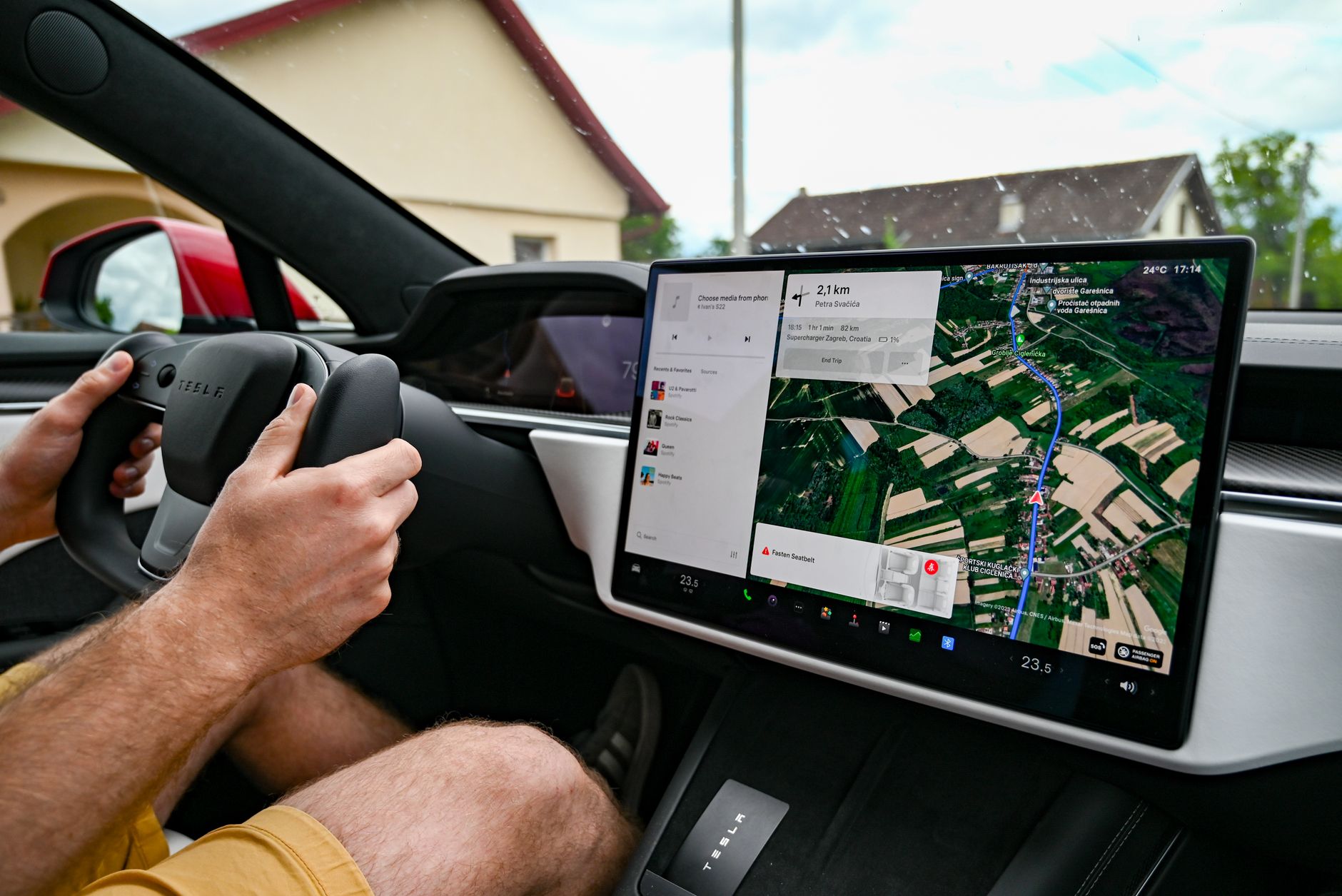
As the global autonomous vehicle market is projected to reach $557 billion by 2026, Tesla's latest move to start production of its Cybercab robotaxi signals a significant shift in the industry, with the potential to disrupt not only the taxi market but also the entire transportation ecosystem. With over 90% of accidents caused by human error, autonomous vehicles are poised to revolutionize road safety. The Cybercab's production ramp-up is expected to accelerate by year-end, which could put Tesla at the forefront of the autonomous vehicle market.
Market Context
The autonomous vehicle market is becoming increasingly competitive, with players like Waymo, Cruise, and Argo AI investing heavily in research and development. However, Tesla's early mover advantage and its ability to integrate autonomous technology with its existing vehicles could give it a significant edge. According to a report by McKinsey, the autonomous vehicle market could reach $1.4 trillion by 2030, with the majority of the revenue coming from Mobility-as-a-Service (MaaS) and robotaxi services.
Competing Technologies
- Waymo's autonomous taxis have been operating in Phoenix, Arizona, since 2018, with over 100,000 rides given to date.
- Cruise has partnered with General Motors to develop autonomous vehicles, with a focus on ride-hailing and delivery services.
- Argo AI has received significant investments from Ford and Volkswagen, with a focus on developing Level 4 autonomous vehicles.
Autonomous vehicles have the potential to transform the way we move people and goods, and Tesla's Cybercab is a significant step in that direction. - Expert Quote
What This Means for the Industry
In the next 6-12 months, we can expect to see significant advancements in autonomous vehicle technology, with multiple players launching their own robotaxi services. Tesla's Cybercab production ramp-up will be closely watched, as it could set the stage for the company's future growth. With the global autonomous vehicle market expected to grow at a CAGR of 22% from 2020 to 2026, the industry is poised for significant disruption. As autonomous vehicles become more mainstream, we can expect to see a shift towards MaaS and robotaxi services, which could change the way we think about transportation.
The implications of this trend are far-reaching, with potential impacts on the environment, urban planning, and the economy. As autonomous vehicles reduce the need for human drivers, we can expect to see a significant reduction in accidents and greenhouse gas emissions. Additionally, the rise of MaaS and robotaxi services could lead to a shift away from personal vehicle ownership, which could have significant implications for the automotive industry.
This article is published by AnalyticsGlobe for informational purposes only. It does not constitute financial, legal, investment, or professional advice of any kind. Always conduct your own research and consult qualified professionals before making any decisions.
Rahul Nair
Published under the research and editorial standards of AnalyticsGlobe. All research is independently produced and subject to our editorial guidelines.