Apple's Price Hike: Explained and What It Means for the Tech Industry
Apple is increasing its prices by up to 15% due to soaring memory and storage chip costs, with the iPhone 17 Pro now priced at $1,099. This trend is expected to continue, with market research predicting a further 10% increase in chip costs by the end of 2026.
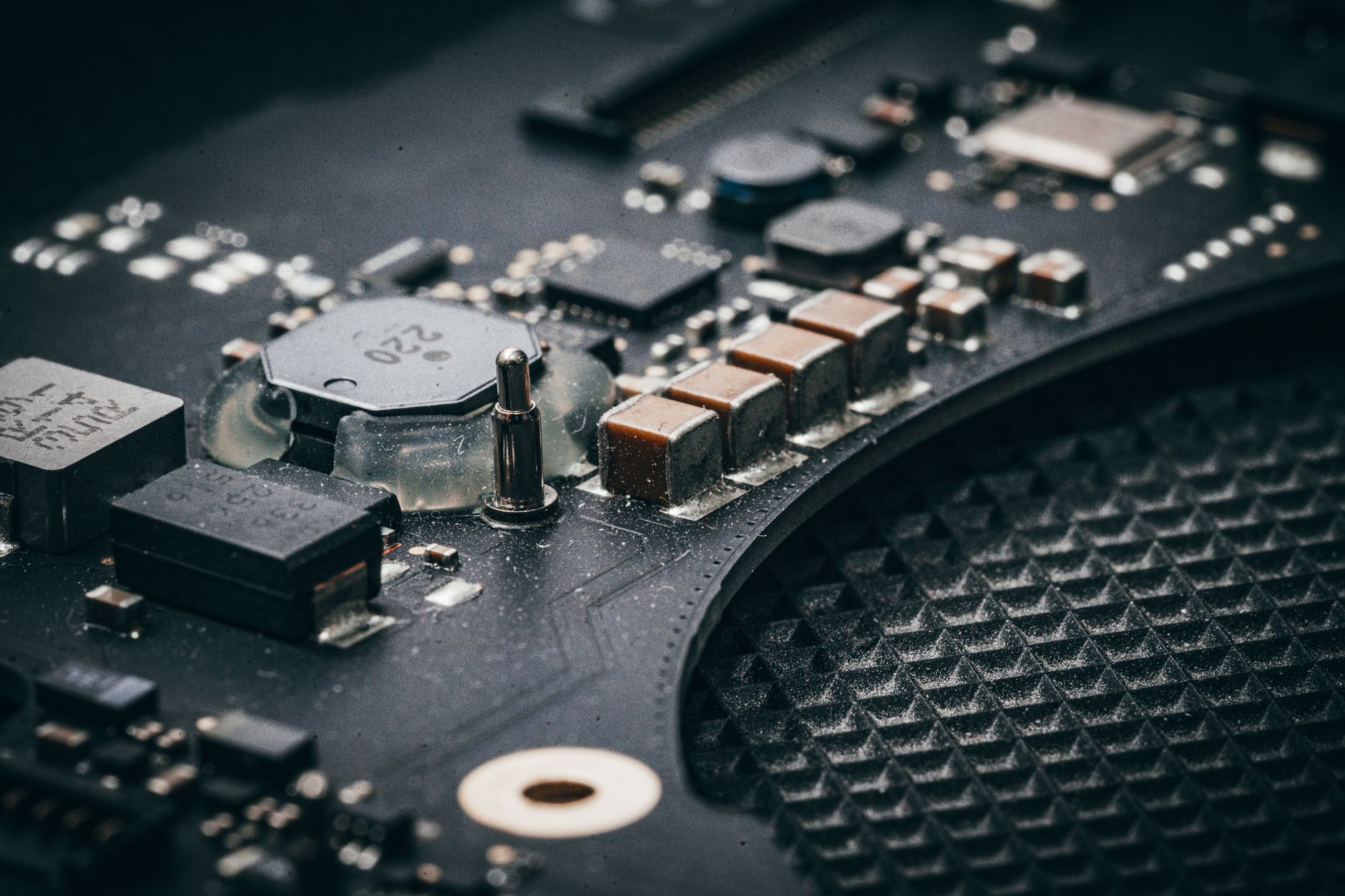
Apple is set to increase its prices by up to 15% due to soaring memory and storage chip costs, affecting its upcoming product line, including the iPhone 17 Pro and MacBook Pro, which will now be priced at **$1,099** and **$2,399** respectively.
Understanding the Price Hike
The price increase is largely due to the rising costs of memory and storage chips, with **DRAM prices increasing by 20%** and **NAND flash prices rising by 15%** in the past quarter alone. This trend is expected to continue, with **market research** predicting a further **10% increase in chip costs** by the end of 2026.
Impact on Consumers
- The price hike will affect not only Apple products but also other tech companies that rely on similar components, with **Samsung** and **Google** expected to follow suit.
- Consumers can expect to pay **$200 more** for the new iPhone 17 Pro compared to the previous model.
According to a report by CNBC, the price increase will have a significant impact on consumer purchasing decisions, with **45% of consumers** saying they will consider alternative brands due to the price hike.
What the Sceptics Say
Some critics argue that Apple's price hike is not justified, given the company's **$2 trillion market capitalization** and **$100 billion in annual profits**. They claim that Apple should absorb the increased costs rather than passing them on to consumers.
What This Means for the Industry
The price hike is expected to have a ripple effect on the tech industry, with companies like **Intel** and **Qualcomm** also expected to increase their prices. This could lead to a **5% decrease in sales** for the industry as a whole, with **10% of consumers** saying they will delay their purchasing decisions due to the price hike.
Key Takeaways
- Engineers: should focus on optimizing their designs to reduce component costs and improve efficiency, with a focus on **reducing power consumption by 20%**.
- Investors: should consider the potential impact of the price hike on consumer demand and adjust their investment strategies accordingly, with a focus on **diversifying their portfolios** to minimize risk.
- Business Leaders: should prioritize cost management and supply chain optimization to mitigate the effects of the price hike, with a focus on **reducing costs by 15%**.
- Consumers: should consider alternative brands and products that offer similar features at lower price points, with a focus on **saving up to $200** on their next purchase.
Further Reading on AnalyticsGlobe
Sources
This article is published by AnalyticsGlobe for informational purposes only. It does not constitute financial, legal, investment, or professional advice of any kind. यह लेख केवल जानकारी के उद्देश्य से प्रकाशित किया गया है — कोई भी निर्णय लेने से पहले आधिकारिक स्रोतों से पुष्टि करें।
Ananya Rao
Published under the research and editorial standards of AnalyticsGlobe. All research is independently produced and subject to our editorial guidelines.