Apple's Memory Price Hike: A Symptom of the AI Boom in 2026
Apple raises prices by up to 20% due to memory costs, a symptom of the AI boom, with the global memory chip market projected to reach $80 billion by 2026.
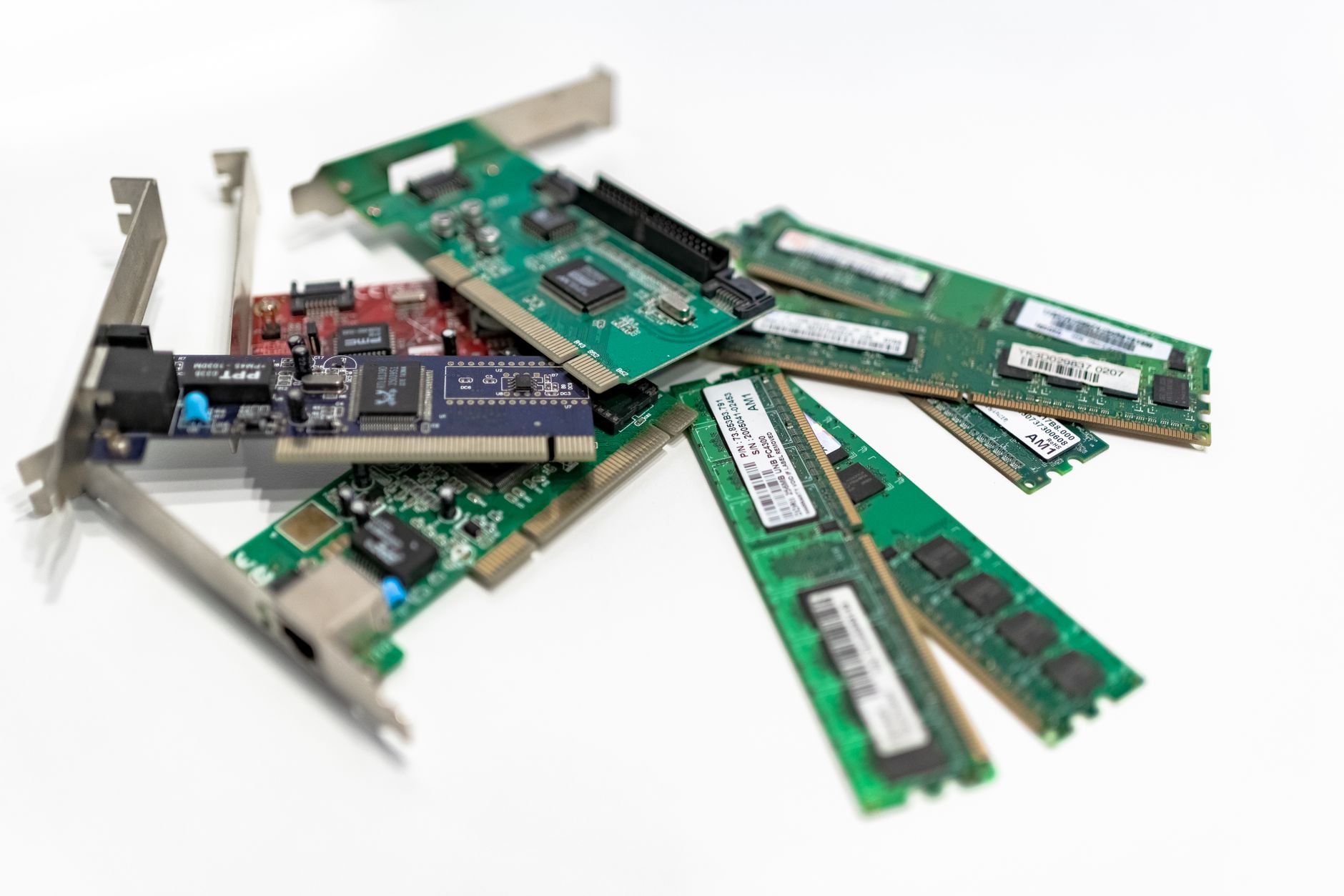
Apple has raised prices by up to 20% due to soaring memory costs, a consequence of the AI industry's rapid expansion and data center buildout, with the starting price of some Macs and iPads increasing significantly.
Understanding the Price Hike
The recent price increase by Apple is attributed to the 65% increase in memory chip costs over the past year, driven by the high demand from data centers and the $13.7 billion investment in AI research and development by tech giants in 2025. This surge in demand has led to a 15% shortage of memory chips, affecting not only Apple but the entire tech industry.
Impact on the Tech Industry
- The global memory chip market is projected to reach $80 billion by the end of 2026, with 30% of this growth attributed to the AI sector.
- Companies like Microsoft, Google, and Amazon are investing heavily in AI infrastructure, further driving the demand for memory chips.
According to Micron Chief Business Officer Sumit Sadana, Apple's aggressive purchasing tactics have contributed to the memory shortage, stating that 'the industry has never seen a component price increase this much, this quickly'.
What the Sceptics Say
Some argue that Apple's price hike is not solely due to the cost of memory but also a strategic move to maintain profit margins in the face of increasing competition from other tech giants. This perspective suggests that Apple could have absorbed some of the costs or explored alternative, more affordable memory solutions.
What This Means for the Industry
Given the current trends, it's likely that other tech companies will follow Apple's lead and increase their prices to compensate for the rising memory costs. Over the next 6-12 months, we can expect to see significant investments in AI research and development, leading to further demand for memory chips and potentially 20% growth in the global AI market.
Key Takeaways
- Engineers: Focus on developing more memory-efficient AI models to mitigate the impact of rising memory costs.
- Investors: Consider investing in companies that are developing innovative memory technologies or those with a strong presence in the AI sector.
- Business Leaders: Prepare for potential price increases across the tech industry and explore strategies to absorb or pass on these costs to consumers.
- Consumers: Expect higher prices for tech products, especially those with high memory requirements, and consider budgeting accordingly.
Engineers should start exploring alternative memory solutions now, investors should diversify their portfolios to include memory technology startups, and business leaders should review their pricing strategies to remain competitive.
Further Reading on AnalyticsGlobe
Sources
- Ars Technica: Apple ratchets up prices, blames the cost of memory
- BBC Technology: Apple hikes some prices by nearly 20% while Xbox raises console cost
- The Guardian Tech: Apple raises iPad and MacBook prices, blaming cost of chips amid AI boom
- TechXplore: Apple increases prices for Macs and iPads, blaming a shortage of memory chips
- 9to5Mac: Micron exec suggests Apple’s aggressive purchasing tactics helped fuel memory shortage
This article is published by AnalyticsGlobe for informational purposes only. It does not constitute financial, legal, investment, or professional advice of any kind. यह लेख केवल जानकारी के उद्देश्य से प्रकाशित किया गया है — कोई भी निर्णय लेने से पहले आधिकारिक स्रोतों से पुष्टि करें।
Rahul Nair
Published under the research and editorial standards of AnalyticsGlobe. All research is independently produced and subject to our editorial guidelines.