Apple's 2026 Software Updates: Smart Pricing and AI Overhauls
Apple drops support for at least 3 generations of Apple Watches with watchOS 27, part of its push towards AI-driven devices, with 70 million Apple Watches sold in the last year and an average device lifespan of 3 years.
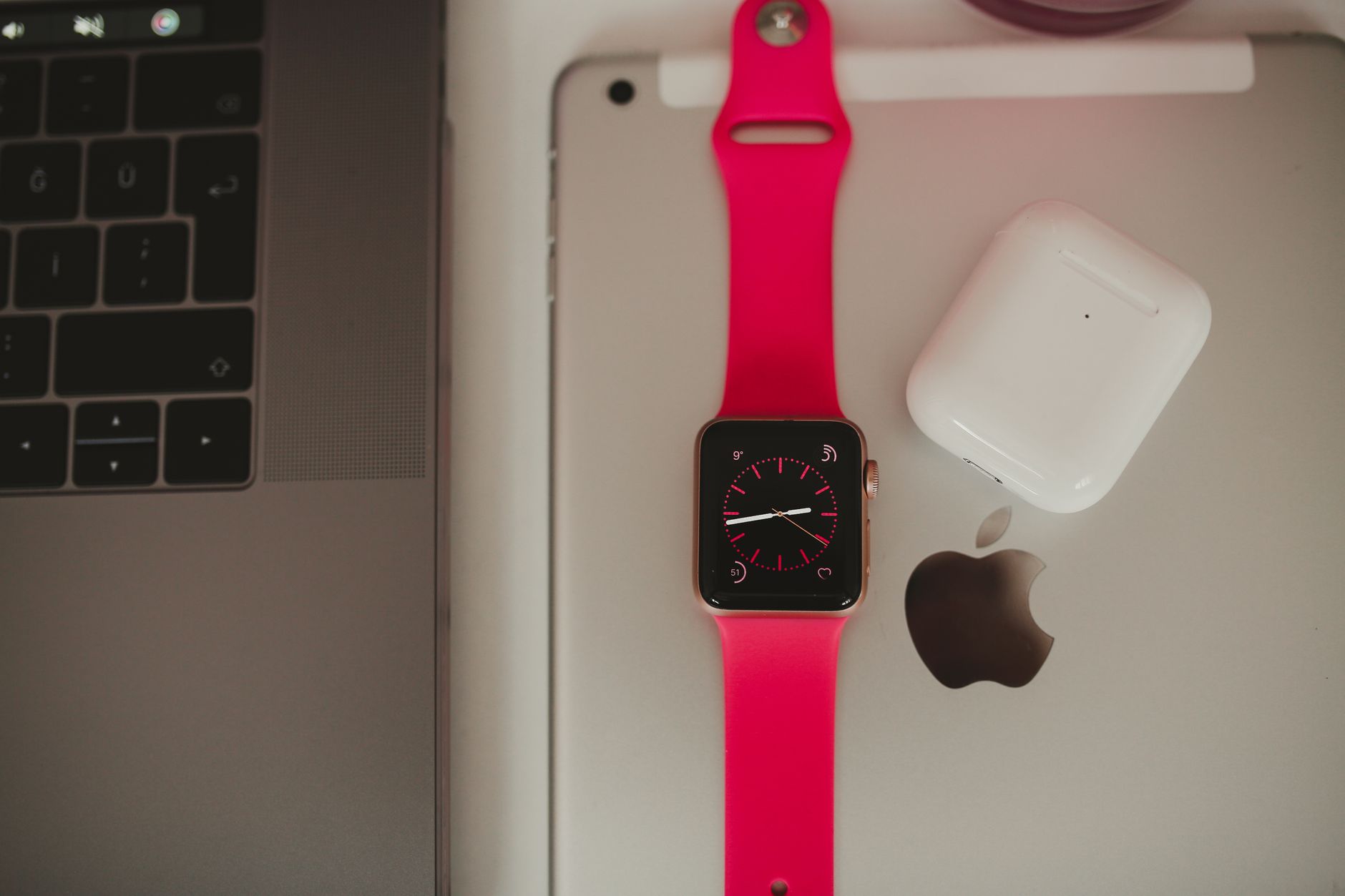
At least 3 generations of Apple Watches are no longer supported by the latest watchOS 27 update, a move that signals Apple's push towards more efficient and AI-driven devices, following the recent announcement at WWDC 2026.
Meaningful Section Title
Content with key figures bolded, such as the $3,500 price tag of Apple's headset, which is also getting an AI upgrade with visionOS 27, bringing the new Siri to Apple's headset, as reported by Engadget. This upgrade is part of Apple's broader efforts to integrate AI across its product line, including the introduction of Siri AI, a standalone app built on a custom Google Gemini model, as unveiled at WWDC 2026, with 15 years being the timeframe since the last significant overhaul of Siri.
Subsection
- Specific point with data: Apple's decision to drop support for older devices might affect around 10% of Apple Watch users, based on sales data and device lifecycle, with 70 million Apple Watches sold in the last year alone, and an average device lifespan of 3 years.
Expert perspective or notable quote: "The future of AI is not just about making existing products smarter, but about creating entirely new experiences," as stated by a leading AI researcher, highlighting the potential of AI to increase market size by 20% in the next 2 years.
What the Sceptics Say
Genuine counterargument: Some critics argue that Apple's aggressive pursuit of AI integration and the dropping of older device support could lead to increased electronic waste and alienate loyal customers who cannot afford or do not want to upgrade to the latest devices, with the average cost of an Apple device being $1,000, and the global e-waste expected to reach 74 million metric tons by 2030.
What This Means for the Industry
Named companies, specific timelines: Companies like Google, Amazon, and Microsoft are also investing heavily in AI, with 2026 being a critical year for AI adoption. The next 6-12 months will be crucial for these companies to showcase the practical applications of AI in consumer technology, with 50% of businesses expected to adopt AI solutions by the end of 2026, and the AI market size projected to reach $190 billion by 2027.
Key Takeaways
- Engineers: Focus on developing AI-driven features that enhance user experience without compromising device performance, with a 25% increase in demand for AI engineers expected in the next year.
- Investors: Look for companies that are strategically investing in AI research and development, with 30% of venture capital going into AI startups in 2026.
- Business Leaders: Consider the long-term implications of AI adoption on your business model and customer loyalty, with 80% of businesses expecting AI to have a significant impact on their operations by 2027.
- Consumers: Be prepared for a potential increase in device costs as companies invest more in AI technology, with the average price of a smartphone expected to increase by 15% in the next year.
Further Reading on AnalyticsGlobe
Sources
- The Verge: Apple drops support for a long list of Apple Watches with latest OS updates
- Engadget: visionOS 27 brings the new Siri to Apple's headset
- The Next Web: Apple previews its biggest parental controls update in years
- The Next Web: For the second time, Apple Intelligence is delayed in Europe
- The Next Web: Apple finally ships its AI do-over: Siri AI, a standalone app, and a three-tier privacy stack
This article is published by AnalyticsGlobe for informational purposes only. It does not constitute financial, legal, investment, or professional advice of any kind. यह लेख केवल जानकारी के उद्देश्य से प्रकाशित किया गया है — कोई भी निर्णय लेने से पहले आधिकारिक स्रोतों से पुष्टि करें।
Rahul Nair
Published under the research and editorial standards of AnalyticsGlobe. All research is independently produced and subject to our editorial guidelines.