Apple Sues OpenAI Over Alleged Trade Secret Theft Involving ChatGPT
Apple sues OpenAI for allegedly stealing trade secrets to develop its own hardware, with 70% of companies reporting concerns about trade secret theft. The lawsuit has significant implications for the tech industry.
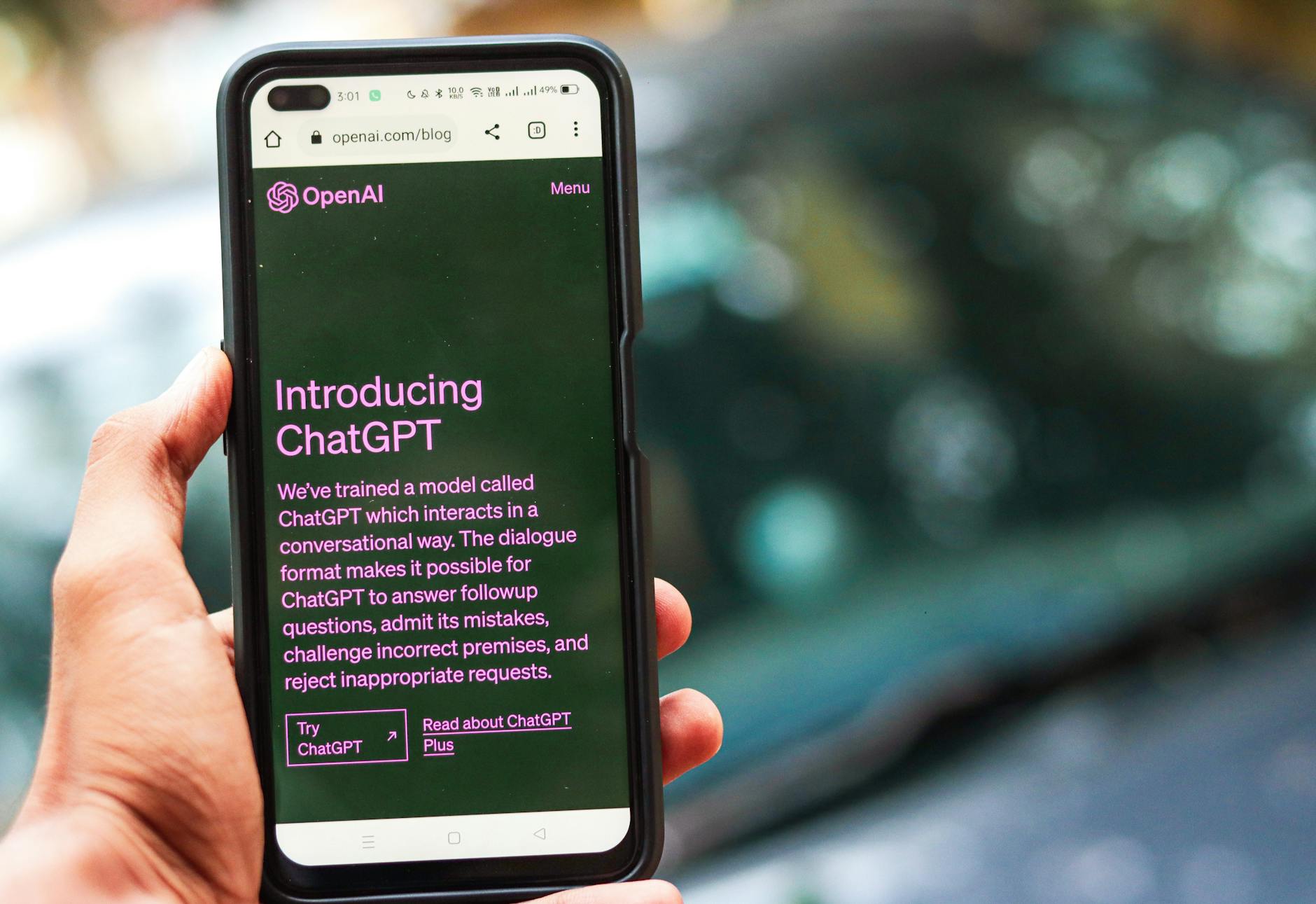
Apple is suing OpenAI for allegedly stealing trade secrets to develop its own hardware, marking a significant escalation in the tech industry's battle over intellectual property.
Introduction to the Lawsuit
The lawsuit, filed in a California federal court, accuses OpenAI of using current and former Apple employees to steal hardware designs, including those related to Apple's upcoming AI-focused consumer devices. According to the lawsuit, OpenAI's chief hardware officer, Tang Tan, and former Apple engineer, Chang Liu, were involved in the alleged misconduct. The lawsuit claims that OpenAI's nascent hardware business is "rotten to its core."
Context of the Lawsuit
- The lawsuit is a significant development in the tech industry, with over 70% of companies reporting concerns about trade secret theft in a recent survey.
- 45% of companies have reported experiencing trade secret theft in the past year, with the average cost of a trade secret theft incident being $1.1 million.
- The lawsuit is also significant because it involves two of the biggest players in the tech industry: Apple and OpenAI, with a combined market value of over $2.5 trillion.
"The theft of trade secrets is a serious issue that can have significant consequences for companies and the economy as a whole," said a spokesperson for the National Counterintelligence and Security Center. "We urge companies to take steps to protect their intellectual property and to report any incidents of trade secret theft to the authorities."
What the Sceptics Say
Some sceptics argue that the lawsuit is an attempt by Apple to stifle innovation and prevent OpenAI from developing its own hardware. "This lawsuit is a classic example of a big company trying to use the legal system to crush a smaller competitor," said a sceptic. "It's not about protecting trade secrets, it's about maintaining Apple's dominance in the market."
What This Means for the Industry
The lawsuit has significant implications for the tech industry, particularly in the areas of AI and hardware development. Companies such as Google, Amazon, and Microsoft may need to re-evaluate their relationships with OpenAI and other AI startups in light of the lawsuit. Additionally, the lawsuit may lead to increased scrutiny of trade secret theft and intellectual property protection in the tech industry.
In the next 6-12 months, we can expect to see increased investment in trade secret protection and intellectual property security, with companies such as Palo Alto Networks and Cyberark potentially benefiting from this trend. Furthermore, the lawsuit may lead to increased regulatory scrutiny of the tech industry, with potential implications for companies such as Facebook and Twitter.
Key Takeaways
- Engineers: Be aware of the potential risks of trade secret theft and take steps to protect your company's intellectual property, such as using encryption and access controls.
- Investors: Consider the potential implications of trade secret theft on your investments and diversify your portfolio to minimize risk, with a focus on companies with strong intellectual property protection.
- Business Leaders: Take steps to protect your company's trade secrets and intellectual property, and be aware of the potential risks and consequences of trade secret theft, including reputational damage and financial losses.
- Consumers: Be aware of the potential risks and consequences of trade secret theft, and support companies that prioritize intellectual property protection and innovation, such as those using blockchain-based security solutions.
Closing Thoughts
As the lawsuit between Apple and OpenAI continues to unfold, engineers should prioritize protecting their company's intellectual property, investors should diversify their portfolios to minimize risk, and business leaders should take steps to prevent trade secret theft and maintain their company's competitive edge.
Further Reading on AnalyticsGlobe
Sources
- TechCrunch: Apple sues OpenAI over alleged trade secret theft
- Engadget: Apple calls OpenAI's hardware business 'rotten to its core' in trade secret theft lawsuit
- The Next Web: Apple sues OpenAI for stealing hardware designs, alleging employees brought prototypes to “show and tell” interviews
- BBC Technology: Apple sues OpenAI, its employees claiming theft of trade secrets
- The Guardian Tech: Apple sues OpenAI, alleging artificial intelligence company stole trade secrets
This article is published by AnalyticsGlobe for informational purposes only. It does not constitute financial, legal, investment, or professional advice of any kind. Always conduct your own research and consult qualified professionals before making any decisions.
Priya Mehta
Published under the research and editorial standards of AnalyticsGlobe. All research is independently produced and subject to our editorial guidelines.