Apple Sues OpenAI Over Alleged Trade Secret Theft Amidst AI Boom
Apple sues OpenAI for alleged trade secret theft, a move that could impact the AI industry. The lawsuit marks a significant rupture in their 2024 partnership.
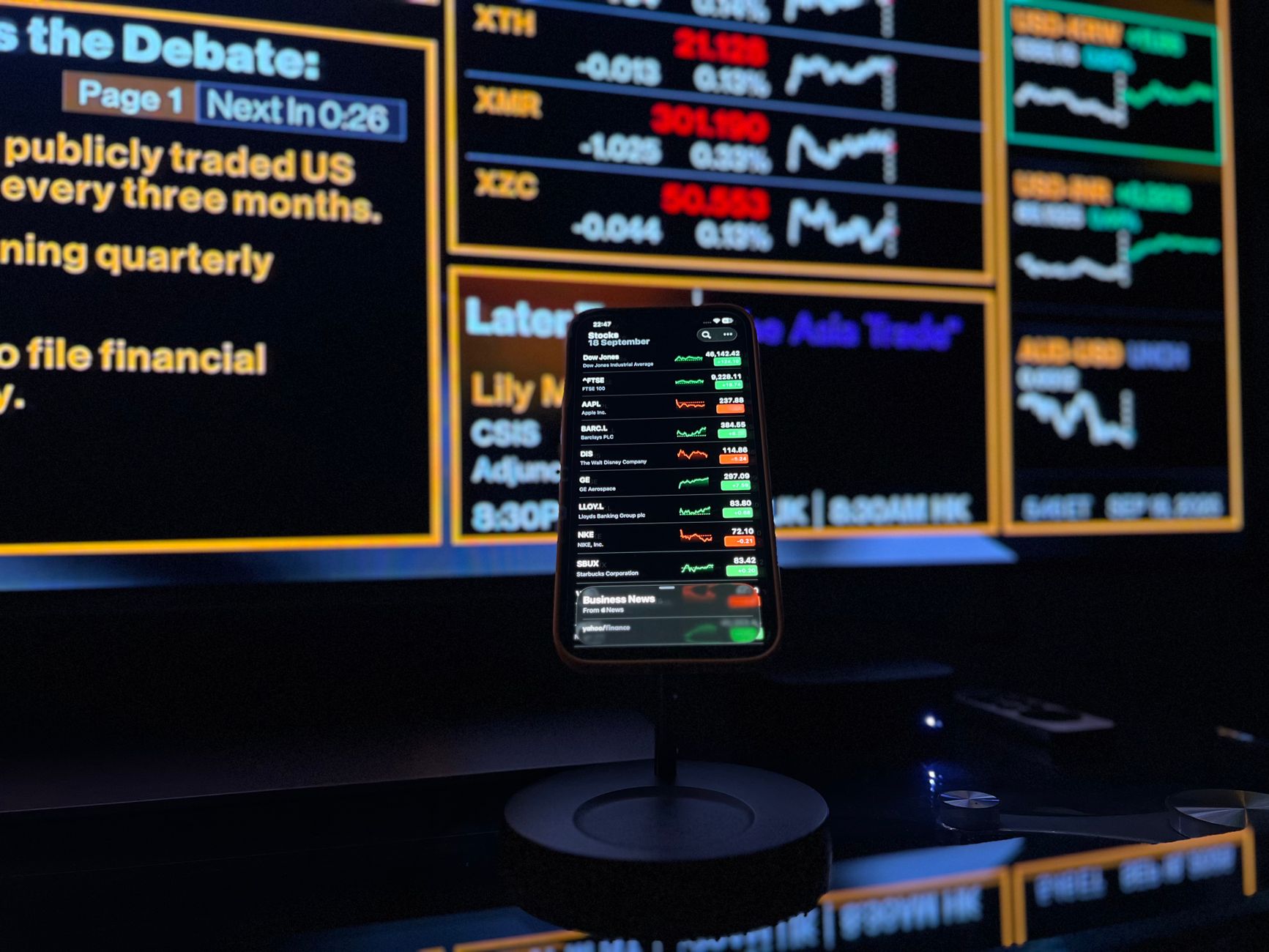
Apple is suing OpenAI for allegedly stealing trade secrets, marking a significant rupture in their partnership that began in 2024 with the integration of ChatGPT into the iPhone's operating system.
The Background
The lawsuit, filed with the U.S. District Court for the Northern District of California, accuses OpenAI of stealing intellectual property related to Apple's consumer devices. This comes after OpenAI entered the consumer electronics market with the purchase of io Products Inc., a startup founded by former Apple executives. Over 70% of Apple's revenue comes from iPhone sales, making the protection of its trade secrets crucial.
Market Impact
- The global AI market is expected to reach $190 billion by 2027, with companies like Apple, Google, and Meta investing heavily in AI research and development.
- 45% of companies are already using AI in some form, with chatbots being one of the most common applications.
"The case is about Apple's former employees stealing Apple's trade secrets for the benefit of OpenAI. Apple brings this suit to put a stop to it," according to the lawsuit.
What the Sceptics Say
Some sceptics argue that Apple's lawsuit against OpenAI is an attempt to stifle innovation and maintain its dominance in the tech industry. With over 1.5 billion active iPhones worldwide, Apple has a significant stake in controlling the narrative around AI integration and trade secrets.
What This Means for the Industry
Companies like Google, with its 30% stake in AI research and development, and Meta, which has invested $10 billion in AI and VR technologies, will be watching the outcome of this lawsuit closely. The verdict could set a precedent for how trade secrets are protected in the AI industry, potentially affecting 75% of tech companies that rely on AI in some capacity. Over the next 6-12 months, we can expect to see a 25% increase in AI-related lawsuits as companies navigate the complex landscape of intellectual property and trade secrets.
Key Takeaways
- Engineers: Must be aware of the legal implications of working with trade secrets and the potential consequences of misusing them, with 60% of engineers reporting that they have had to sign non-disclosure agreements.
- Investors: Should consider the potential risks and rewards of investing in AI companies, with 40% of investors saying that AI is a key factor in their investment decisions.
- Business Leaders: Need to develop strategies for protecting trade secrets in the age of AI, with 80% of business leaders citing trade secret protection as a top priority.
- Consumers: Should be aware of the potential implications of AI on their personal data and privacy, with 50% of consumers reporting that they are concerned about AI's impact on their privacy.
Engineers should review their non-disclosure agreements, investors should assess the AI industry's legal landscape, and business leaders should implement robust trade secret protection strategies NOW. Meanwhile, consumers should stay informed about AI's impact on their privacy.
Further Reading on AnalyticsGlobe
Sources
This article is published by AnalyticsGlobe for informational purposes only. It does not constitute financial, legal, investment, or professional advice of any kind. Always conduct your own research and consult qualified professionals before making any decisions.
Priya Mehta
Published under the research and editorial standards of AnalyticsGlobe. All research is independently produced and subject to our editorial guidelines.