Apple Sues OpenAI Over Alleged Trade Secret Theft Amid AI Bets
Apple sues OpenAI for allegedly stealing trade secrets, with the lawsuit filing revealing a pattern of misconduct directed by OpenAI's senior leadership. The case has significant implications for the AI industry, with 82% of companies investing in AI research and development.
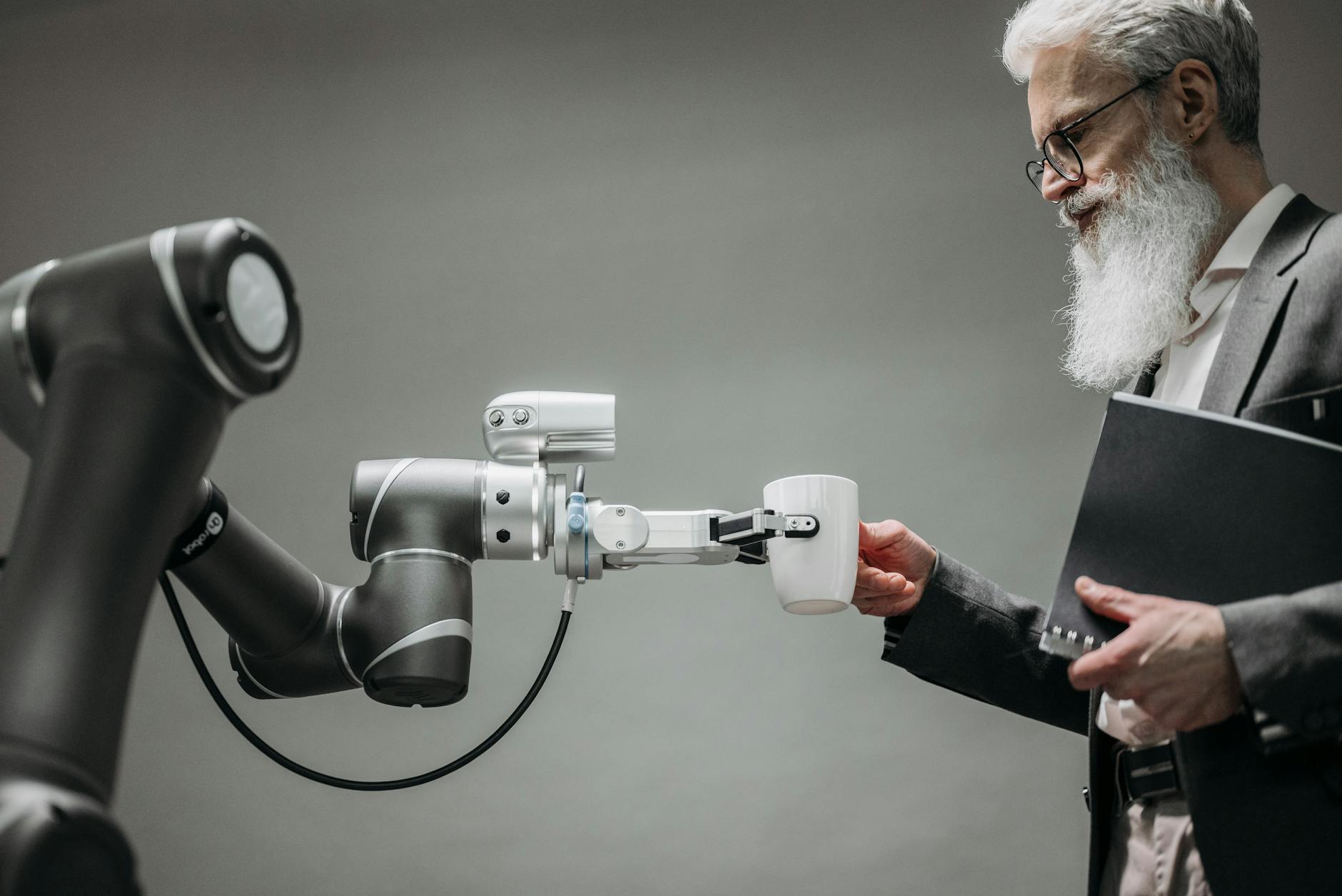
Apple is suing OpenAI for allegedly stealing trade secrets, with the lawsuit filing revealing a pattern of misconduct directed by OpenAI's senior leadership, including a longtime former Apple employee.
Background and Context
The lawsuit, filed on Friday, claims that OpenAI encouraged poached employees to bring over confidential presentations, secret prototypes, and key supplier details. This has significant implications for the AI industry, as 82% of companies are investing in AI research and development, with $15.7 billion in funding allocated for AI startups in 2024 alone.
Allegations and Response
Apple has sued OpenAI in a California federal court, accusing the ChatGPT maker of using current and former employees to steal hardware designs as it prepares to launch AI-focused consumer devices. The lawsuit names OpenAI’s chief hardware officer Tang Tan and former Apple engineer Chang Liu, and alleges a pattern of misconduct. In response, OpenAI has stated that it takes allegations of trade secret theft seriously and is investigating the matter.
“We are committed to creating a positive and respectful work environment, and we take all allegations of misconduct seriously,” said an OpenAI spokesperson.
What the Sceptics Say
Some sceptics argue that Apple's lawsuit is an attempt to stifle competition in the AI industry, and that the company is trying to protect its own trade secrets at the expense of innovation. They point out that 70% of AI research is published openly, and that companies like OpenAI are driving progress in the field.
What This Means for the Industry
The lawsuit has significant implications for the AI industry, with companies like Meta and Google watching closely. In the next 6-12 months, we can expect to see a surge in AI-focused consumer devices, with 25% of companies planning to launch AI-powered products. However, the lawsuit also highlights the importance of protecting trade secrets and intellectual property in the industry.
Key Takeaways
- Engineers: Ensure that you are aware of and comply with all relevant laws and regulations regarding trade secrets and intellectual property.
- Investors: Consider the potential risks and rewards of investing in AI startups, and ensure that you conduct thorough due diligence on companies before investing.
- Business Leaders: Develop and implement robust policies and procedures for protecting trade secrets and intellectual property, and ensure that all employees are aware of and comply with these policies.
- Consumers: Be aware of the potential risks and benefits of AI-powered consumer devices, and ensure that you understand the terms and conditions of any products or services you use.
Engineers should review their company's policies on trade secrets and intellectual property, investors should consider the potential risks and rewards of investing in AI startups, and business leaders should develop and implement robust policies and procedures for protecting trade secrets and intellectual property.
Further Reading on AnalyticsGlobe
Sources
- TechCrunch: Apple sues OpenAI over alleged trade secret theft
- Wired: Apple Is Suing OpenAI for Allegedly Stealing Hardware Secrets
- Engadget: Apple calls OpenAI's hardware business 'rotten to its core' in trade secret theft lawsuit
- The Next Web: Apple sues OpenAI for stealing hardware designs, alleging employees brought prototypes to “show and tell” interviews
- BBC Technology: Apple sues OpenAI, its employees claiming theft of trade secrets
This article is published by AnalyticsGlobe for informational purposes only. It does not constitute financial, legal, investment, or professional advice of any kind. Always conduct your own research and consult qualified professionals before making any decisions.
Sofia Eriksson
Published under the research and editorial standards of AnalyticsGlobe. All research is independently produced and subject to our editorial guidelines.