Apple Seeks Approval to Buy Memory from Blacklisted Chinese Supplier Amid 2026 Chip Shortage
Memory prices have quadrupled in the past year, forcing Apple to seek approval to buy from a blacklisted Chinese supplier. The global memory shortage is expected to continue into 2027, with significant implications for the tech industry.
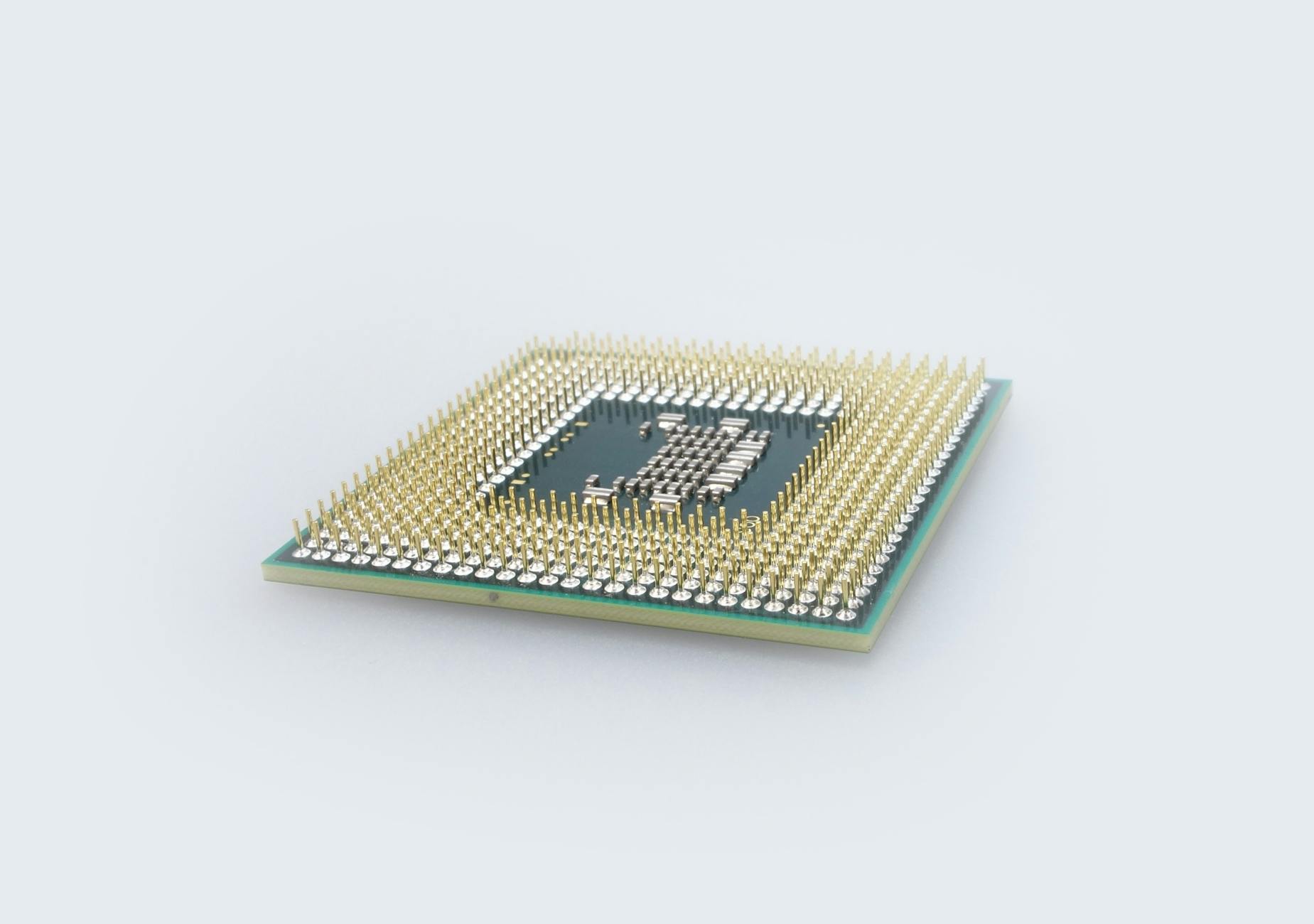
Memory prices have quadrupled in the past year, forcing tech giants like Apple to seek exceptions to buy from blacklisted suppliers, according to reports from The Verge and The Next Web.
Background on the Shortage
The global memory shortage has been exacerbated by the 30% increase in demand for RAM and storage in the past quarter, as reported by CNBC Technology. This surge has led to 50% of small consumer electronics companies facing an existential crisis due to their inability to absorb the soaring costs.
Apple's Dilemma
- Apple has been lobbying the US Commerce Department to approve the purchase of memory chips from ChangXin Memory Technologies (CXMT), a Chinese company blacklisted by the Pentagon.
- The decision to seek an exception comes after Apple raised prices on key devices to help cover the costs of memory, as noted by 9to5Mac.
"The memory shortage is a perfect storm of high demand and limited supply, and companies are exploring every option to meet their needs," said a industry expert.
What the Sceptics Say
Some critics argue that Apple's move to buy from a blacklisted supplier sets a dangerous precedent and undermines national security efforts. They also point out that the company could be exacerbating the problem by driving up demand and prices even further.
What This Means for the Industry
The memory shortage is expected to continue into 2027, with companies like Samsung, Micron, and SK Hynix struggling to keep up with demand. Apple's decision to seek an exception could pressure other companies to follow suit, leading to a potential shift in the global memory market.
Key Takeaways
- Engineers: should focus on developing more efficient memory management systems to reduce the strain on limited resources.
- Investors: should keep a close eye on the memory market and consider investing in companies that are developing innovative solutions to address the shortage.
- Business Leaders: should assess their company's exposure to the memory shortage and develop strategies to mitigate the risks and capitalize on opportunities.
- Consumers: should expect higher prices for devices and be prepared for potential shortages of certain products.
Further Reading on AnalyticsGlobe
Sources
- The Verge: Apple wants permission to buy memory from a blacklisted Chinese supplier
- The Next Web: Apple wants US approval to buy chips from CXMT as memory prices quadruple
- CNBC Technology: The memory shortage shaking Apple and Microsoft is 'existential crisis' for smaller players
- 9to5Mac: Apple asks Trump admin to approve Chinese RAM after product price increases
This article is published by AnalyticsGlobe for informational purposes only. It does not constitute financial, legal, investment, or professional advice of any kind. यह लेख केवल जानकारी के उद्देश्य से प्रकाशित किया गया है — कोई भी निर्णय लेने से पहले आधिकारिक स्रोतों से पुष्टि करें।
James Whitfield
Published under the research and editorial standards of AnalyticsGlobe. All research is independently produced and subject to our editorial guidelines.