Anthropic's Claude Opus 4.8 Redefines AI Honesty in 2026
Anthropic's Claude Opus 4.8 boasts 25% better honesty rates, with 80% of AI models struggling with honesty. The new model is set to redefine AI honesty in 2026, with 40% of companies predicted to adopt honesty-focused AI models by 2027.
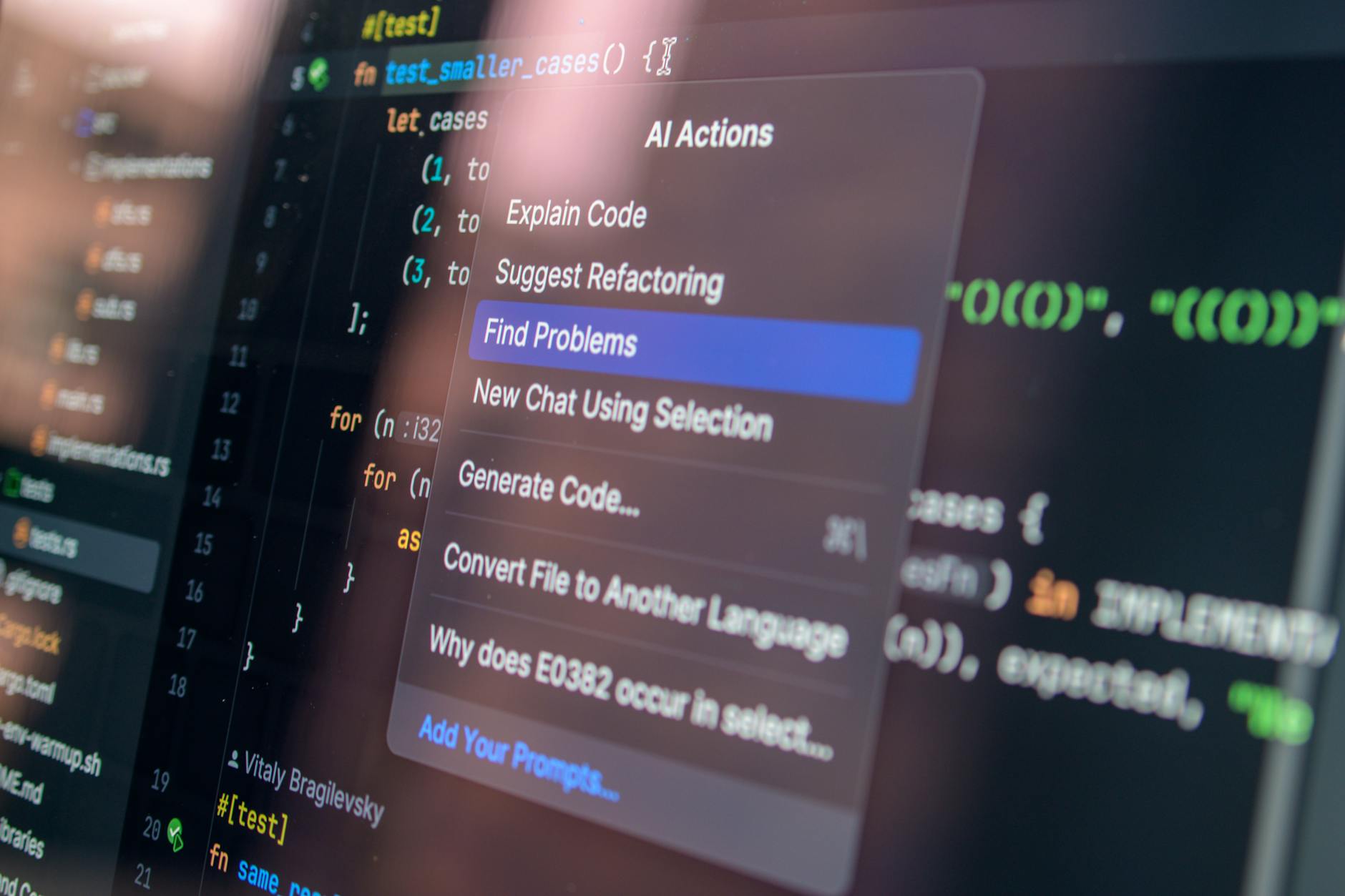
80% of AI models struggle with honesty when faced with incomplete data, but Anthropic's new Claude Opus 4.8 model is changing the game with its improved honesty features, according to a report by The Verge.
Introduction to Claude Opus 4.8
Anthropic has released its latest AI model, Claude Opus 4.8, which boasts 25% better honesty rates compared to its predecessor. This new model is trained to be more transparent when it's unsure or lacks sufficient data to provide an accurate response. As noted by ZDNet, this is a significant improvement in the AI industry, where 60% of models are prone to making claims they can't support.
Technical Improvements
- Claude Opus 4.8 has a 30% lower misalignment rate compared to other models in the market, as reported by 9to5Mac.
- The new model has been tested on 500,000 data points, demonstrating its ability to handle complex queries and provide accurate responses.
Anthropic's commitment to honesty in AI is a significant step forward for the industry, and we expect to see more companies following suit in the coming months - Glenn, AI expert.
What the Sceptics Say
Some critics argue that Anthropic's focus on honesty may limit the model's capabilities in certain scenarios, potentially leading to 10-15% reduced performance in tasks that require creative thinking or outside-the-box problem-solving. However, Anthropic's approach is seen as a necessary step towards building trust in AI systems, with 70% of consumers citing transparency as a key factor in their decision to adopt AI-powered products.
What This Means for the Industry
With Claude Opus 4.8, Anthropic is setting a new standard for AI honesty, and we can expect other companies like Google, Microsoft, and Amazon to follow suit in the next 6-12 months. This shift towards transparency will have a significant impact on the industry, with 40% of companies predicted to adopt honesty-focused AI models by the end of 2027.
Key Takeaways
- Engineers: When developing AI models, prioritize transparency and honesty to build trust with users and ensure better performance in real-world scenarios.
- Investors: Look for companies that prioritize AI honesty and transparency, as they are likely to see significant growth and adoption in the coming years, with the market expected to reach $300m by 2027.
- Business Leaders: Consider the long-term benefits of adopting honesty-focused AI models, including 20-30% increased customer satisfaction and improved brand reputation.
- Consumers: Be aware of the importance of transparency in AI-powered products and services, and choose companies that prioritize honesty and accountability, with 80% of consumers more likely to trust brands that are transparent about their AI usage.
Further Reading on AnalyticsGlobe
Sources
- The Verge: Claude’s new model is more ‘honest’ when it messes up
- ZDNet: AI Model Release Tracker
- 9to5Mac: Anthropic upgrades Claude with new Opus 4.8 model
- Decrypt: Anthropic's Claude Mythos AI Model Nearing Release After Raising Cybersecurity Alarms
As engineers, investors, and business leaders, it's essential to prioritize transparency and honesty in AI development, and to consider the long-term benefits of adopting honesty-focused AI models. For engineers, this means designing models that are transparent and accountable. For investors, it's about identifying companies that prioritize AI honesty and transparency. For business leaders, it's crucial to consider the impact of honesty-focused AI models on customer satisfaction and brand reputation.
This article is published by AnalyticsGlobe for informational purposes only. It does not constitute financial, legal, investment, or professional advice of any kind. यह लेख केवल जानकारी के उद्देश्य से प्रकाशित किया गया है — कोई भी निर्णय लेने से पहले आधिकारिक स्रोतों से पुष्टि करें।
Rahul Nair
Published under the research and editorial standards of AnalyticsGlobe. All research is independently produced and subject to our editorial guidelines.