Anthropic's Claude Leads AI Productivity Charge with Cowork
Anthropic's Claude leads AI productivity charge with Cowork, a desktop agent that works in your files without coding required, with 80% of companies expected to adopt AI-powered productivity tools by 2028.
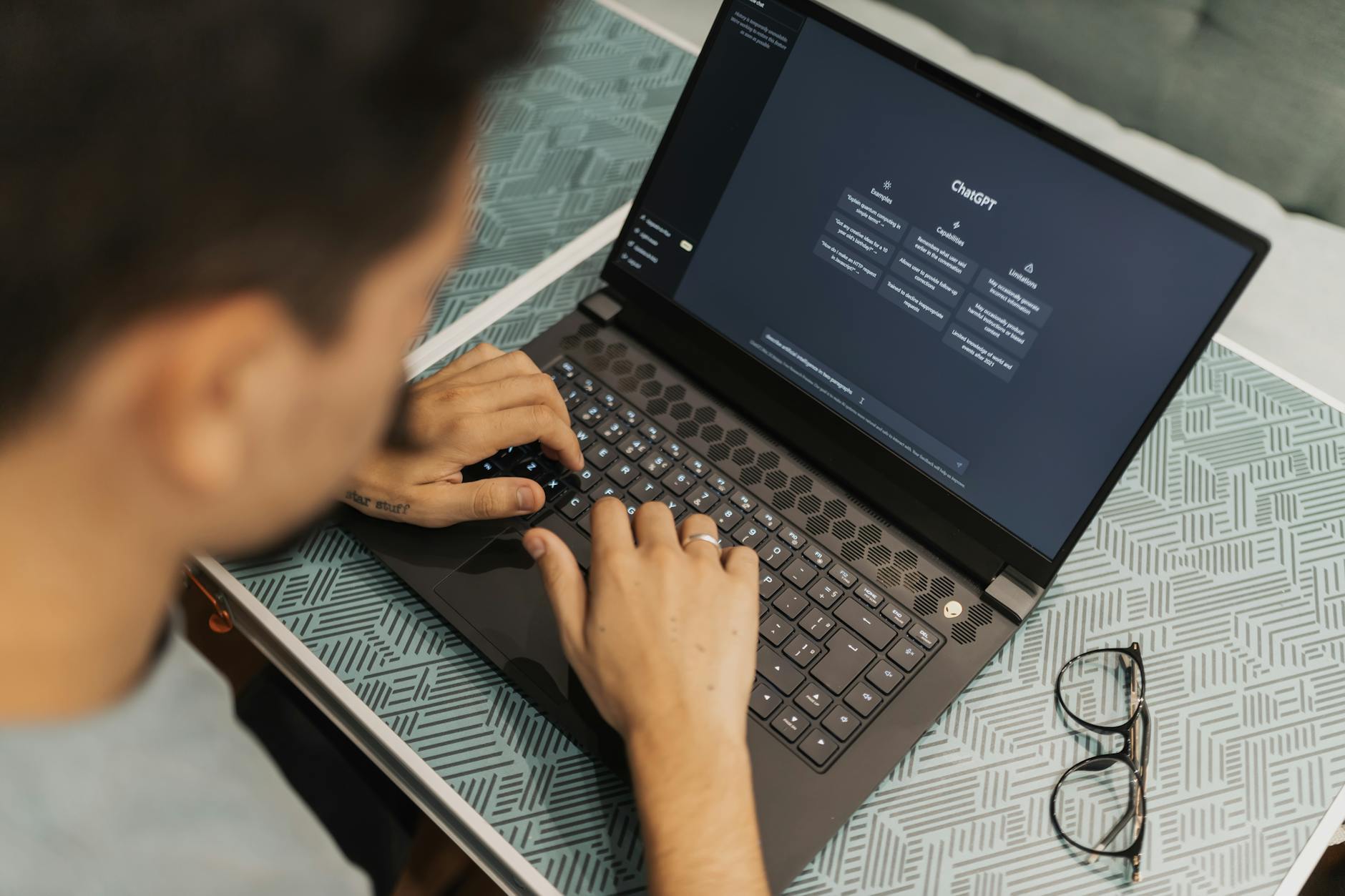
80% of companies will adopt AI-powered productivity tools by 2028, as Anthropic launches Cowork, a Claude Desktop agent that works in your files — no coding required, to compete with Microsoft's Copilot and Google's AI efforts.
Introduction to Cowork
Anthropic's Cowork is a significant development in the AI productivity space, allowing non-technical users to leverage the power of Claude Code. With Cowork, users can complete tasks such as data analysis, document editing, and project management without requiring extensive coding knowledge. According to company insiders, the feature was built in approximately 1.5 weeks using Claude Code itself, demonstrating the rapid development capabilities of Anthropic's technology.
Market Context
The launch of Cowork marks a major inflection point in the race to deliver practical AI agents to mainstream users. As the AI market continues to grow, with an expected $150 billion in revenue by 2026, companies like Anthropic, OpenAI, and Google are vying for dominance. The AI coding benchmark leaderboard, which has been led by models like GPT-5.5 and Claude Opus, will likely see significant changes as new features like Cowork are introduced.
"The ability to use AI-powered productivity tools without requiring extensive coding knowledge is a game-changer for businesses and individuals alike," said a spokesperson for Anthropic.
What the Sceptics Say
Some critics argue that the rapid development and deployment of AI-powered productivity tools like Cowork may lead to job displacement and decreased productivity in certain sectors. Additionally, the potential for benchmark loopholes, as seen with Claude Opus, may undermine the credibility of AI coding benchmarks and create an uneven playing field for companies competing in the space.
What This Means for the Industry
As Anthropic's Cowork and similar AI-powered productivity tools become more prevalent, companies like Microsoft, Google, and Amazon will need to adapt their strategies to remain competitive. In the next 6-12 months, we can expect to see significant advancements in AI-powered productivity, with a focus on user experience and integration with existing workflows. Companies that fail to adapt may be left behind, while those that successfully integrate AI-powered productivity tools will likely see significant benefits in terms of efficiency and innovation.
Key Takeaways
- Engineers: Focus on developing AI-powered productivity tools that prioritize user experience and integration with existing workflows.
- Investors: Consider investing in companies that are developing innovative AI-powered productivity tools, such as Anthropic and OpenAI.
- Business Leaders: Explore the potential benefits of AI-powered productivity tools for your organization, and develop strategies for successful integration and adoption.
- Consumers: Be aware of the potential benefits and drawbacks of AI-powered productivity tools, and take steps to develop the skills necessary to effectively utilize these tools.
Further Reading on AnalyticsGlobe
Sources
- VentureBeat: Anthropic launches Cowork, a Claude Desktop agent that works in your files — no coding required
- VentureBeat Business: DeepSWE blows up the AI coding leaderboard, crowns GPT-5.5, and finds Claude Opus exploiting a benchmark loophole
- The Next Web: Anthropic is spending $150 million to embed 1,000 AI fellows inside nonprofits. No degree required.
- The Register: Anthropic recruits army to sell Claude to nonprofits
- SiliconANGLE: AWS launches FinOps agent to bring AI cost governance to cloud spend
This article is published by AnalyticsGlobe for informational purposes only. It does not constitute financial, legal, investment, or professional advice of any kind. Always conduct your own research and consult qualified professionals before making any decisions.
Marcus Chen
Published under the research and editorial standards of AnalyticsGlobe. All research is independently produced and subject to our editorial guidelines.