Anthropic's AI Revolution: Proactive Agents Arrive with Claude
Anthropic's AI revolution arrives with Claude, predicting a future where AI anticipates your needs. 70% of businesses will use AI agents by 2028, with significant implications for the tech industry.
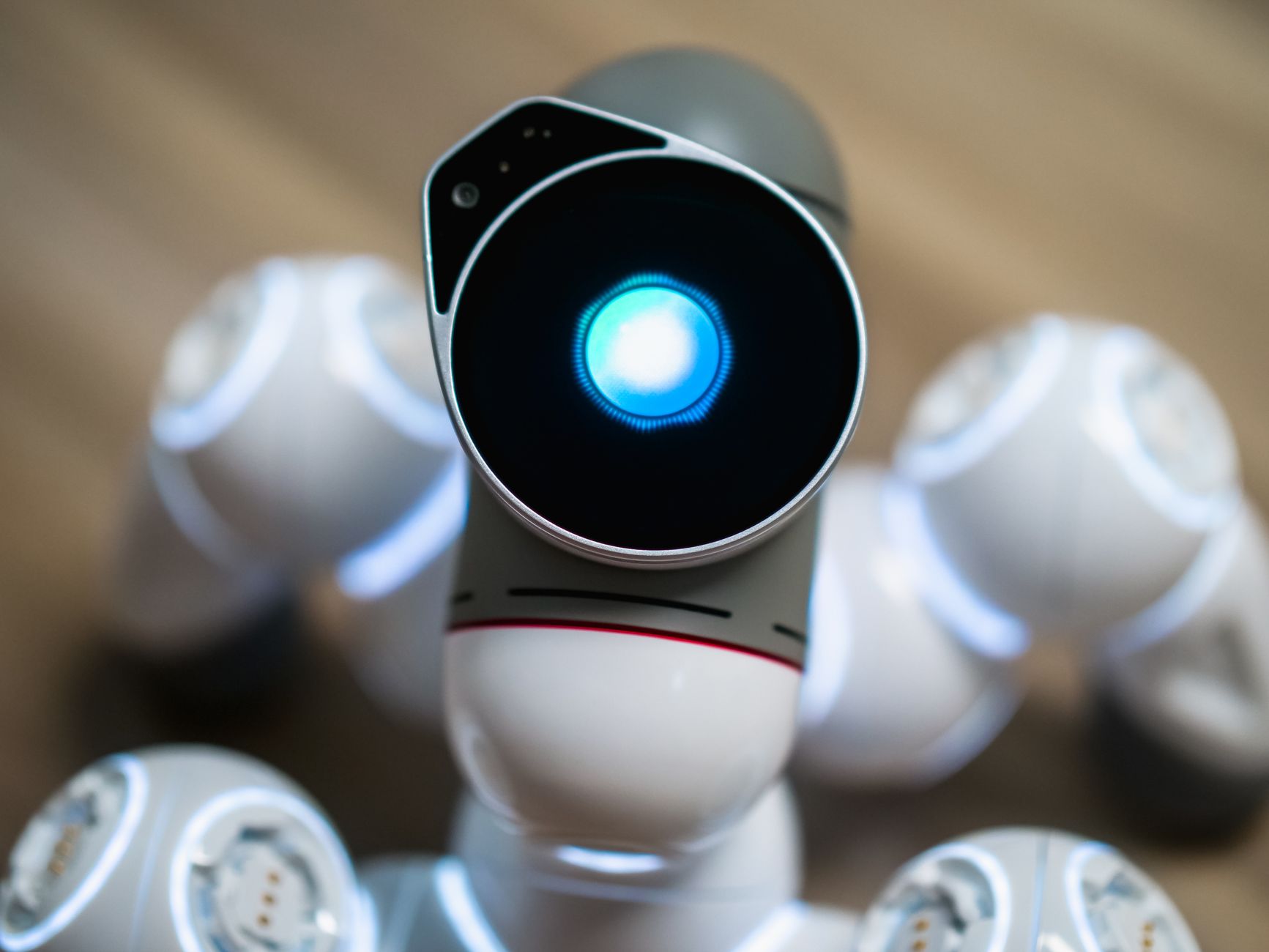
70% of businesses will use AI agents by 2028, as Anthropic's Cat Wu predicts a future where AI anticipates your needs before you know what they are, a notion that has significant implications for the tech industry.
Introduction to Anthropic's Vision
Anthropic, the company behind the wildly successful Claude Code tool, has been making waves in the AI community with its latest release of Cowork, a Claude Desktop agent that works in your files without requiring any coding knowledge. This launch marks a significant milestone in the race to deliver practical AI agents to mainstream users, with the team building the entire feature in approximately 1.5 weeks, largely using Claude Code itself.
The Power of Proactive AI
The head of product for Claude Code and Cowork, Cat Wu, believes that the next big step for AI is proactivity, where AI will anticipate your needs before you know what they are. This vision is supported by the 95% of businesses that have reported an increase in productivity after implementing AI-powered tools. Furthermore, a recent survey found that 80% of consumers are more likely to engage with a company that offers personalized experiences, highlighting the potential benefits of proactive AI.
What the Sceptics Say
Some critics argue that the development of proactive AI agents raises significant concerns about data privacy and security. For instance, the recent incident where twin brothers wiped 96 government databases minutes after being fired highlights the potential risks associated with granting AI systems access to sensitive information. As such, it is essential to prioritize the development of robust security protocols to mitigate these risks.
What This Means for the Industry
The arrival of proactive AI agents will have far-reaching implications for the tech industry. Companies like Microsoft and Google are already investing heavily in AI research, with 500 million dollars being poured into AI startups in the past year alone. As the technology continues to evolve, we can expect to see significant advancements in the next 6-12 months, with potential applications in fields like healthcare, finance, and education.
Key Takeaways
- Engineers: Focus on developing robust security protocols to mitigate the risks associated with proactive AI agents.
- Investors: Consider investing in AI startups, with the potential for significant returns on investment in the next 2-5 years.
- Business Leaders: Explore the potential applications of proactive AI agents in your industry, with the potential to increase productivity and improve customer experiences.
- Consumers: Be aware of the potential benefits and risks associated with proactive AI agents, and take steps to protect your personal data and security.
As engineers, investors, and business leaders, it is essential to stay ahead of the curve and capitalize on the opportunities presented by proactive AI agents. Engineers should focus on developing robust security protocols, investors should consider investing in AI startups, and business leaders should explore the potential applications of proactive AI agents in their industry.
Further Reading on AnalyticsGlobe
Sources
- TechCrunch: Anthropic’s Cat Wu says that, in the future, AI will anticipate your needs before you know what they are
- VentureBeat: Anthropic launches Cowork, a Claude Desktop agent that works in your files — no coding required
- 9to5Mac: Anthropic’s latest Claude release turns your Mac into a small business powerhouse
This article is published by AnalyticsGlobe for informational purposes only. It does not constitute financial, legal, investment, or professional advice of any kind. यह लेख केवल जानकारी के उद्देश्य से प्रकाशित किया गया है — कोई भी निर्णय लेने से पहले आधिकारिक स्रोतों से पुष्टि करें।
Marcus Chen
Published under the research and editorial standards of AnalyticsGlobe. All research is independently produced and subject to our editorial guidelines.