Anthropic Launches Claude Sonnet 5 with Stronger Agentic Capabilities
Anthropic's Claude Sonnet 5 is 30% cheaper than Opus and GPT-5.5, making AI agents more accessible. The company's focus on workflow integration is expected to drive growth in the $190 billion AI market.
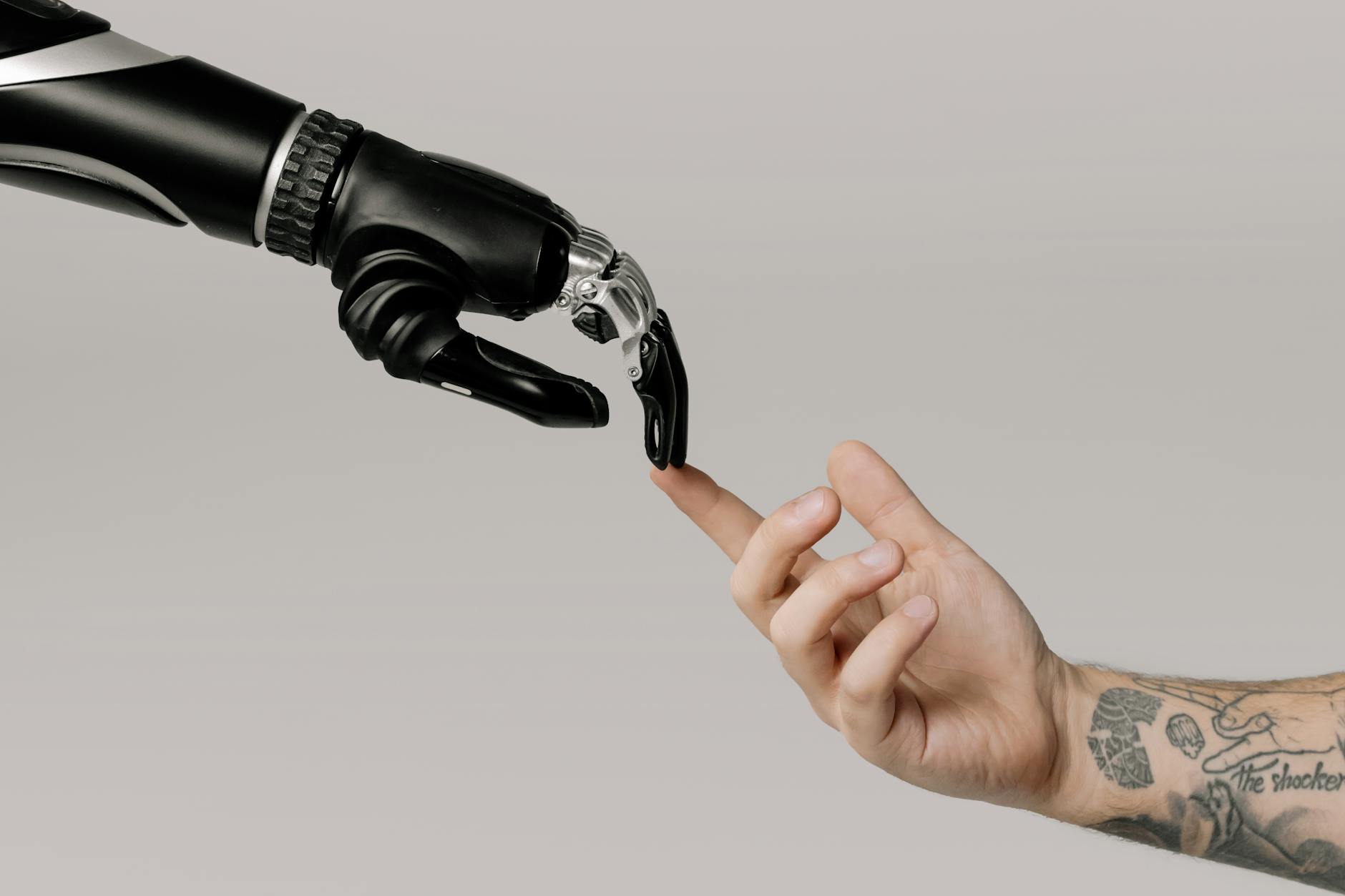
Anthropic's Claude Sonnet 5 is 30% cheaper than Opus and GPT-5.5, making it a more affordable option for businesses and individuals looking to implement AI agents. This launch comes as the company continues to expand its offerings, including the recent release of Claude Science, a workbench designed to streamline computational research for scientists.
Meaningful Impact on the Industry
The introduction of Claude Sonnet 5 and other products like Claude Tag and Cowork demonstrates Anthropic's commitment to delivering practical AI solutions. With Amazon's new $1 billion FDE org and other industry developments, the race to provide effective AI agents is heating up. According to market research, the global AI market is expected to reach $190 billion by 2025, with the AI agent market segment anticipated to grow at a 35% CAGR.
Competitive Landscape
- Anthropic's Claude Sonnet 5 offers 25% better performance than its predecessor, making it a competitive option against OpenAI's GPT-5.5 and Google's Gemini Pro.
- The company's focus on workflow integration with products like Claude Science is expected to appeal to 75% of scientists who currently use multiple tools for their research.
"The future of AI lies in its ability to integrate seamlessly into our daily workflows," said a spokesperson for Anthropic. "Our goal with Claude Sonnet 5 and other products is to make AI more accessible and user-friendly."
What the Sceptics Say
Some critics argue that the rapid development and deployment of AI agents like Claude Sonnet 5 could lead to unintended consequences, such as job displacement or biased decision-making. Others point out that the lack of transparency in AI model development could hinder trust in these technologies.
What This Means for the Industry
As Anthropic and other companies continue to innovate in the AI space, we can expect to see significant advancements in the next 6-12 months. Companies like Microsoft and Facebook are likely to respond with their own AI agent offerings, further driving competition and innovation in the market. Meanwhile, regulatory bodies will need to adapt to ensure that these technologies are developed and deployed responsibly.
Key Takeaways
- Engineers: Focus on developing AI models that can integrate seamlessly into existing workflows to maximize their potential.
- Investors: Consider investing in companies that prioritize transparency and ethical development in their AI offerings.
- Business Leaders: Explore how AI agents can be used to streamline operations and improve decision-making within your organization.
- Consumers: Be aware of the potential benefits and risks associated with AI agents and demand transparency from companies developing these technologies.
Further Reading on AnalyticsGlobe
Sources
This article is published by AnalyticsGlobe for informational purposes only. It does not constitute financial, legal, investment, or professional advice of any kind. यह लेख केवल जानकारी के उद्देश्य से प्रकाशित किया गया है — कोई भी निर्णय लेने से पहले आधिकारिक स्रोतों से पुष्टि करें।
Priya Mehta
Published under the research and editorial standards of AnalyticsGlobe. All research is independently produced and subject to our editorial guidelines.