AMD Challenges NVIDIA with New AI Chip Rival
AMD's MI300X chip has the potential to disrupt the AI chip market, which has long been dominated by NVIDIA. With its competitive specs and pricing, the MI300X could give NVIDIA a run for its money, but it remains to be seen whether AMD can sustain a challenge to NVIDIA's dominance in the long term.
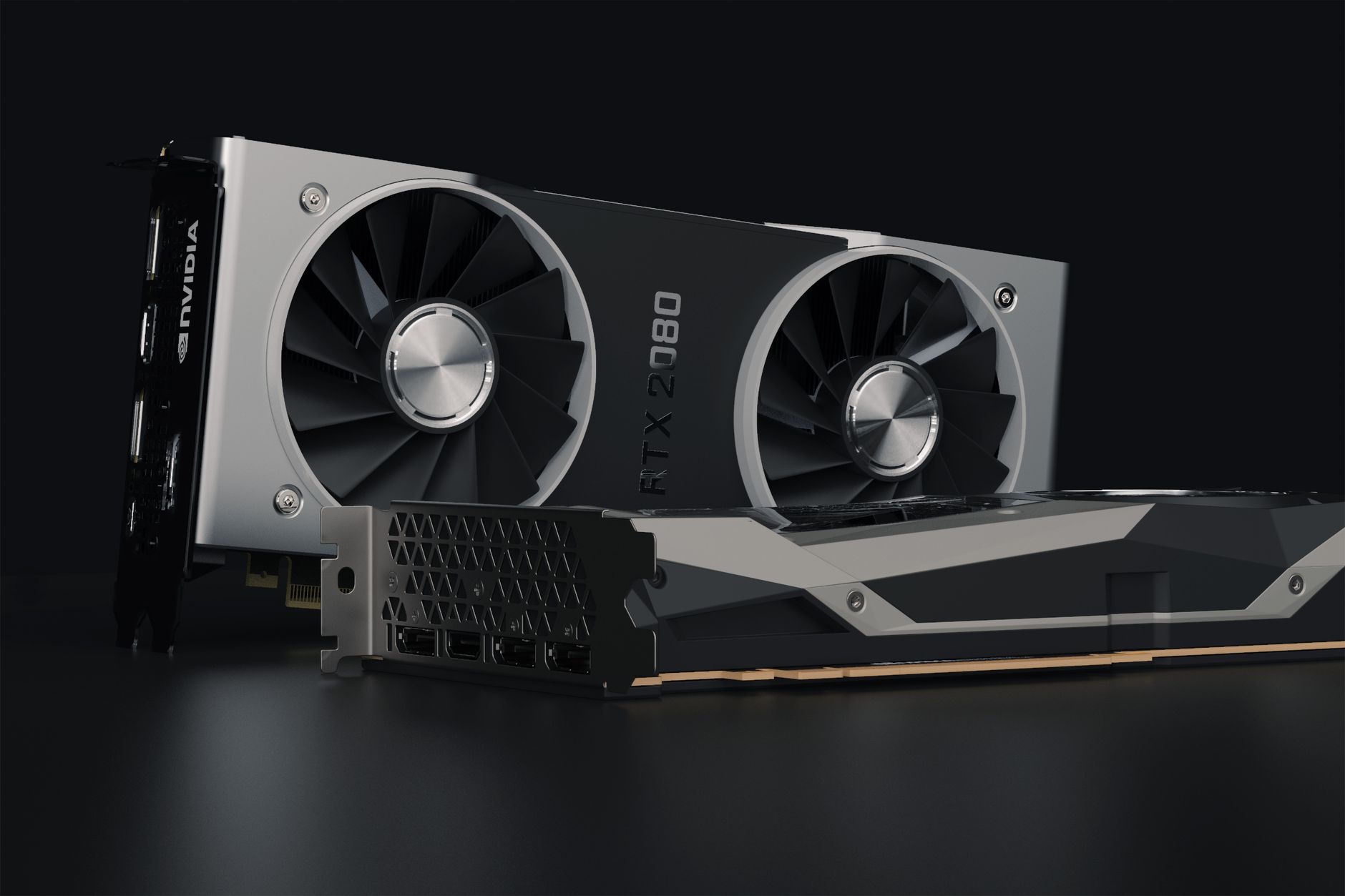
The artificial intelligence (AI) chip market has long been dominated by NVIDIA, but AMD's recent launch of the MI300X has sparked hopes that the company can finally compete in this space. With its impressive specs and competitive pricing, the MI300X has the potential to disrupt the status quo and give NVIDIA a run for its money.
Background & History
AMD and NVIDIA have been rivals in the graphics processing unit (GPU) market for decades, with NVIDIA generally considered the leader in the high-end segment. However, when it comes to AI chips, NVIDIA's dominance has been even more pronounced, with its Tesla V100 and A100 chips widely used in data centers and cloud computing applications.
Key Developments
In recent years, AMD has been working to close the gap with NVIDIA, investing heavily in the development of its own AI-focused chips. The MI300X is the latest result of these efforts, featuring a unique multi-chip module design that combines multiple GPU and CPU dies on a single package. This design allows for faster data transfer and lower latency, making it well-suited for AI workloads.
- The MI300X features 58 billion transistors and 24 GB of HBM2 memory
- It has a peak performance of 352 TFLOPS for FP16 matrix operations
- AMD claims it can deliver up to 45% better performance per watt than NVIDIA's A100 chip
Industry Analysis
The AI chip market is highly competitive, with multiple players vying for market share. However, NVIDIA's strong brand recognition and existing customer relationships have made it difficult for newcomers to gain traction. AMD will need to convince data center operators and cloud providers to adopt its MI300X chip, which won't be an easy task.
"The AI chip market is a tough space to crack, but AMD has made some significant strides with the MI300X," said Ranjit Atwal, a research director at Gartner. "However, NVIDIA's dominance is still unmatched, and it will take time for AMD to build momentum and gain significant market share."
Expert Perspective
According to a report by Moor Insights & Strategy, the global AI chip market is expected to reach $34.6 billion by 2025, growing at a compound annual growth rate (CAGR) of 34.6%. As the market continues to expand, there will be opportunities for multiple players to succeed, including AMD.
AMD's strategy is to focus on the mid-range and high-end segments of the market, where it can offer competitive performance and power efficiency at a lower cost than NVIDIA. The company is also investing in software and tools to make it easier for developers to optimize their AI applications for the MI300X chip.
Future Outlook
While the MI300X is a significant step forward for AMD, it's still unclear whether the company can sustain a challenge to NVIDIA's dominance in the long term. NVIDIA has a strong track record of innovation and a large ecosystem of developers and partners, which will make it difficult for AMD to gain significant market share.
However, with the MI300X, AMD has finally demonstrated that it can produce a competitive AI chip, and the company is likely to continue investing in this area. As the AI chip market continues to evolve, it's possible that AMD could carve out a niche for itself and become a major player in the industry.
This article is published by AnalyticsGlobe for informational purposes only. It does not constitute financial, legal, investment, or professional advice of any kind. Always conduct your own research and consult qualified professionals before making any decisions.
AnalyticsGlobe Editorial
Published under the research and editorial standards of AnalyticsGlobe. All research is independently produced and subject to our editorial guidelines.