Alibaba Bans Claude Code Amid AI Coding Revolution in 2026
Alibaba bans Claude Code amid AI coding revolution, with 70% of developers using AI coding tools and the market projected to reach $1.4 billion by 2028.
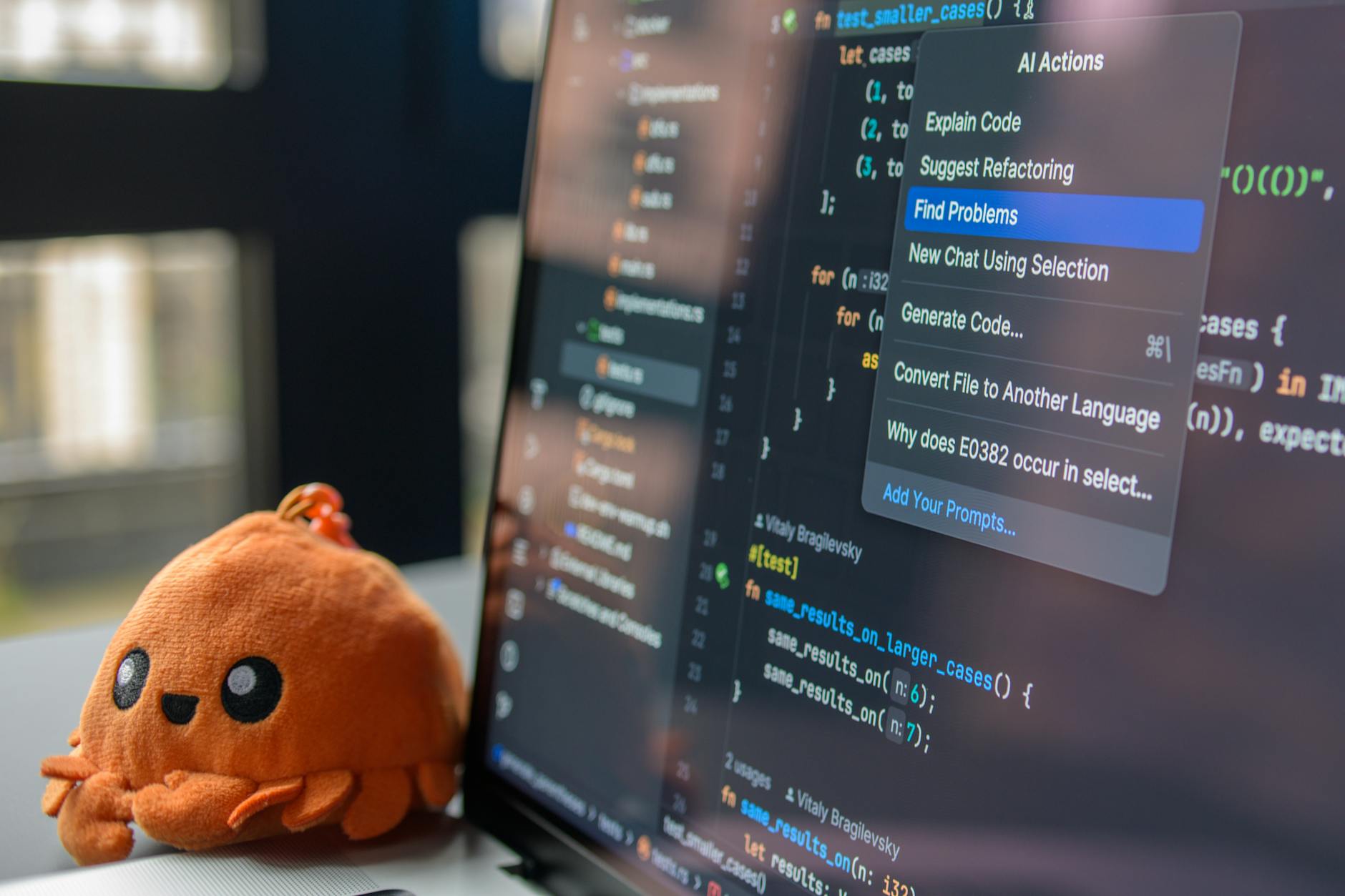
70% of developers are using AI coding tools, but the recent ban of Claude Code by Alibaba has raised concerns about the reliability and security of these tools. As the AI coding revolution continues to gain momentum, with 1.5 million users already using Claude Design, the industry is shifting towards more affordable and open-source alternatives.
The Rise of AI Coding Tools
The AI coding market is projected to reach $1.4 billion by 2028, with a growth rate of 35% per annum. Companies like Anthropic, Nous Research, and Z.ai are leading the charge with their innovative tools and models. For instance, Nous Research's NousCoder-14B model was trained in just 4 days using 48 Nvidia B200 graphics processors, demonstrating the rapid progress in AI coding technology.
Comparison of AI Coding Tools
- Claude Code: $20-$200 per month, with a token-burning problem that can consume 80% of the weekly allowance in under 30 minutes.
- Goose: Free, with similar functionality to Claude Code.
- ZCode: Free, with an Agentic Development Environment purpose-built for the GLM-5.2 large language model.
"The bottleneck might be the air in the room," said a developer on Hacker News, highlighting the need for more efficient and cost-effective AI coding tools.
What the Sceptics Say
Some critics argue that the AI coding revolution is overhyped and that these tools are not yet ready for widespread adoption. They point out that the performance per dollar is still a major concern, with many tools being too expensive for individual developers or small businesses. Additionally, the security risks associated with using AI coding tools, such as the recent ban of Claude Code by Alibaba, cannot be ignored.
What This Means for the Industry
As the AI coding market continues to evolve, we can expect to see more companies like Alibaba taking a closer look at the security and reliability of these tools. In the next 6-12 months, we predict that open-source alternatives like NousCoder-14B will gain more traction, and companies like Z.ai will continue to innovate and improve their products. Specifically, Anthropic will likely address the token-burning problem in Claude Design, while Nous Research will expand its model capabilities to cater to a broader range of developers.
Key Takeaways
- Engineers: Consider exploring open-source alternatives like NousCoder-14B and ZCode to reduce costs and improve efficiency.
- Investors: Look for companies that are investing in AI coding technology and have a strong focus on security and reliability.
- Business Leaders: Evaluate the potential benefits and risks of adopting AI coding tools in your organization and consider partnering with companies that offer secure and reliable solutions.
- Consumers: Be aware of the potential security risks associated with AI coding tools and demand more transparency and accountability from companies that use these tools.
As the AI coding revolution continues to unfold, engineers should explore open-source alternatives, investors should look for companies with a strong focus on security, and business leaders should evaluate the potential benefits and risks of adopting AI coding tools in their organizations.
Further Reading on AnalyticsGlobe
Sources
- TechCrunch: Alibaba reportedly bans employees from using Claude Code
- VentureBeat: Claude Code costs up to $200 a month. Goose does the same thing for free.
- VentureBeat: Nous Research's NousCoder-14B is an open-source coding model
- VentureBeat: Z.ai launches ZCode to challenge Cursor, Claude Code and GitHub Copilot in AI coding
This article is published by AnalyticsGlobe for informational purposes only. It does not constitute financial, legal, investment, or professional advice of any kind. Always conduct your own research and consult qualified professionals before making any decisions.
Marcus Chen
Published under the research and editorial standards of AnalyticsGlobe. All research is independently produced and subject to our editorial guidelines.