AI's Secret Sauce Depends on Complex Network Design
The Mixture of Experts architecture has become a key component in the development of powerful AI models, enabling unprecedented levels of complexity and versatility in artificial intelligence. With applications in natural language processing, computer vision, and more, MoE is being used by leading tech companies to develop more accurate and efficient AI models.
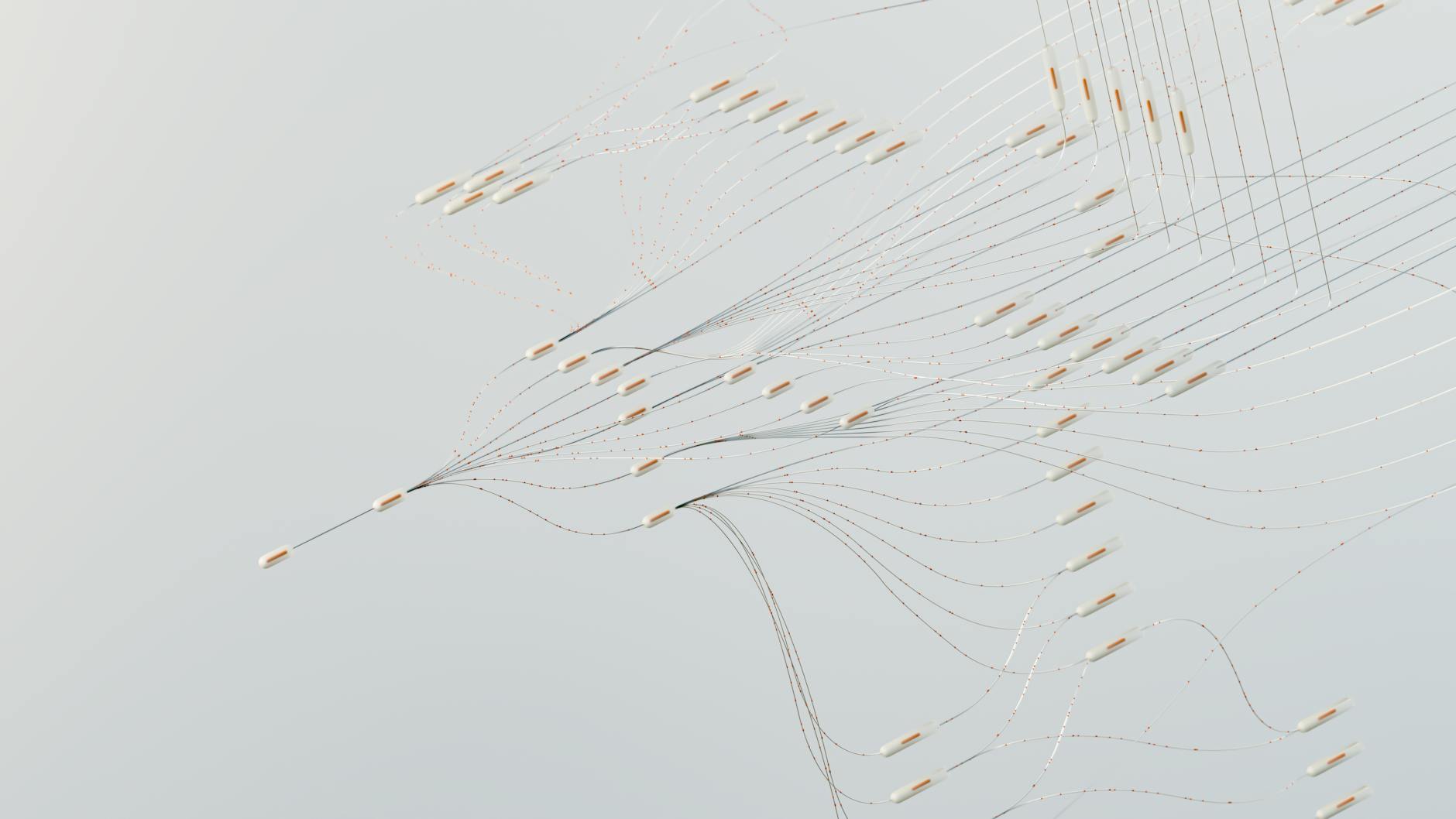
The Mixture of Experts (MoE) architecture has emerged as a pivotal component in the development of the most powerful AI models, enabling unprecedented levels of complexity and versatility in artificial intelligence. By leveraging the strengths of multiple expert models, MoE has revolutionized the field of AI, with applications in natural language processing, computer vision, and more.
Background & History
The concept of MoE was first introduced in the 1990s by Jacobs et al., who proposed a framework for combining the predictions of multiple neural networks to improve overall performance. This early work laid the foundation for the development of more sophisticated MoE architectures, which have since become a cornerstone of modern AI research.
Key Developments
- In 2017, Google researchers introduced the Sparsely-Gated Mixture of Experts (SG-MoE) model, which significantly improved the efficiency and scalability of MoE architectures.
- In 2020, the Switch Transformers model, developed by Google and the University of California, Berkeley, achieved state-of-the-art results in natural language processing tasks using a MoE-based approach.
Industry Analysis
Today, MoE is being used by leading tech companies, including Google, Microsoft, and Facebook, to develop more accurate and efficient AI models. According to a report by McKinsey, the use of MoE architectures can lead to significant improvements in model performance, with some companies reporting 25-30% increases in accuracy.
The Mixture of Experts architecture has been a game-changer for our AI research, enabling us to develop more complex and sophisticated models that can tackle real-world problems. - Demis Hassabis, Co-Founder of DeepMind
Expert Perspective
According to Andrew Ng, AI pioneer and founder of Landing.ai, MoE has the potential to revolutionize the field of AI, enabling the development of more flexible and adaptable models that can learn from multiple sources of data. Ng notes that MoE is particularly well-suited for applications in computer vision and natural language processing, where the ability to combine multiple models can lead to significant improvements in performance.
Future Outlook
As the field of AI continues to evolve, MoE is likely to play an increasingly important role in the development of more sophisticated and powerful AI models. With the ability to combine the strengths of multiple expert models, MoE has the potential to enable significant breakthroughs in areas such as autonomous vehicles, healthcare, and finance. As researchers and companies continue to push the boundaries of what is possible with MoE, we can expect to see significant advances in the field of AI in the years to come.
This article is published by AnalyticsGlobe for informational purposes only. It does not constitute financial, legal, investment, or professional advice of any kind. Always conduct your own research and consult qualified professionals before making any decisions.
AnalyticsGlobe Editorial
Published under the research and editorial standards of AnalyticsGlobe. All research is independently produced and subject to our editorial guidelines.