AI Productivity Tools Driven by Durable Innovations in 2026
80% of businesses will adopt AI-powered productivity tools by 2027, driven by innovations like Anthropic's Cowork, with the market expected to reach $10 billion by 2028.
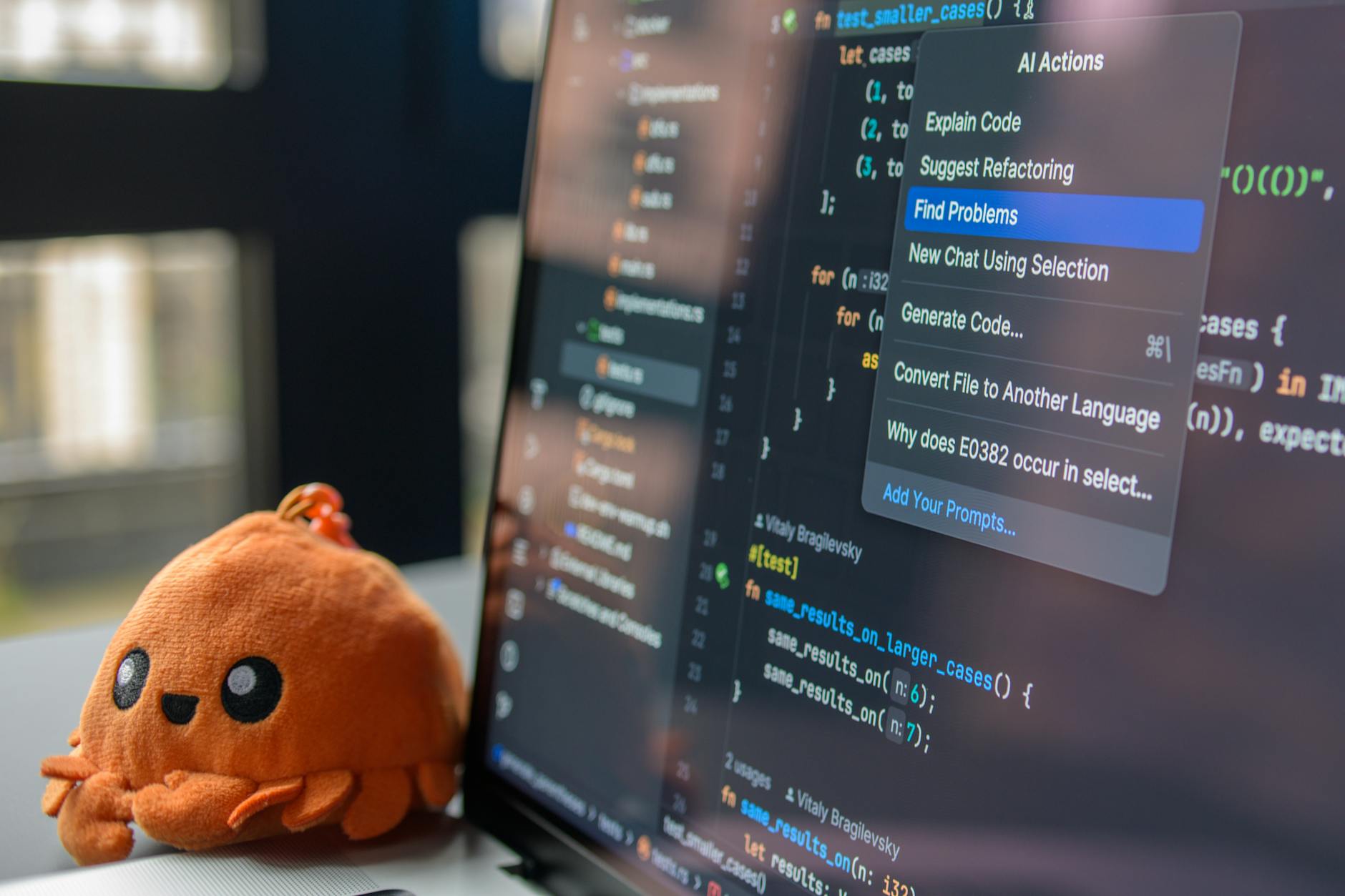
80% of businesses will adopt AI-powered productivity tools by 2027, driven by innovations like Anthropic's Cowork, a Claude Desktop agent that works in your files without requiring coding knowledge.
Introduction to Cowork
Anthropic has launched Cowork, a new AI agent capability that extends the power of its Claude Code tool to non-technical users. According to company insiders, the team built the entire feature in approximately 1.5 weeks, largely using Claude Code itself. This launch marks a major inflection point in the race to deliver practical AI agents to mainstream users, positioning Anthropic to compete with OpenAI and Google in conversational AI, as well as with Microsoft's Copilot in the burgeoning market for AI-powered productivity tools.
Market Context
The market for AI-powered productivity tools is expected to reach $10 billion by 2028, with a compound annual growth rate (CAGR) of 25%. This growth is driven by the increasing demand for automation and efficiency in the workplace. Companies like Tencent are also launching their own productivity-focused AI agents, such as WorkBuddy, which supports remote task execution and can use natural language prompts to break down tasks.
"Cowork lets you complete non-technical tasks much like how developers use Claude Code," the company announced via its official Claude account on X.
What the Sceptics Say
Some critics argue that the rapid development of AI-powered productivity tools may lead to increased bugs and errors, as seen in the case of Claude potentially increasing bugs in rsync. Moreover, the lack of transparency in AI decision-making processes may hinder the adoption of these tools in critical applications.
What This Means for the Industry
Companies like Anthropic, OpenAI, and Google will continue to compete in the AI-powered productivity tool market, with Microsoft's Copilot being a major player. In the next 6-12 months, we can expect to see significant advancements in the capabilities of these tools, leading to increased adoption across various industries. The market for AI-powered productivity tools is expected to become a $50 billion market by 2030.
Key Takeaways
- Engineers: Focus on developing skills in AI and machine learning to stay competitive in the job market, with 40% of companies planning to increase their investment in AI-powered productivity tools.
- Investors: Consider investing in companies that are developing AI-powered productivity tools, with the potential for 20% returns on investment in the next year.
- Business Leaders: Explore the potential of AI-powered productivity tools to increase efficiency and automation in the workplace, with 60% of businesses planning to adopt these tools in the next year.
- Consumers: Be aware of the potential benefits and risks of using AI-powered productivity tools, and take steps to protect your data when using these tools.
Engineers should focus on developing their AI skills now, investors should consider investing in AI-powered productivity tool companies, and business leaders should explore the potential of these tools to increase efficiency in the workplace.
Further Reading on AnalyticsGlobe
Sources
- VentureBeat: Anthropic launches Cowork, a Claude Desktop agent that works in your files — no coding required
- VentureBeat Business: DeepSWE blows up the AI coding leaderboard, crowns GPT-5.5, and finds Claude Opus exploiting a benchmark loophole
- TechXplore: Australia now has access to Anthropic's Claude Mythos: It may improve cyber safety—but not for everyone
- GitHub Blog: GitHub Copilot app: The agent-native desktop experience
- TechNode: Tencent launches WorkBuddy productivity AI agent for global users
This article is published by AnalyticsGlobe for informational purposes only. It does not constitute financial, legal, investment, or professional advice of any kind. यह लेख केवल जानकारी के उद्देश्य से प्रकाशित किया गया है — कोई भी निर्णय लेने से पहले आधिकारिक स्रोतों से पुष्टि करें।
Marcus Chen
Published under the research and editorial standards of AnalyticsGlobe. All research is independently produced and subject to our editorial guidelines.