AI Investments Accelerate Despite Layoffs
The recent layoffs at tech giants like Meta and Microsoft reflect a strategic shift towards AI-driven competitiveness rather than a straightforward cost-cutting measure. As the AI market continues to grow, companies are repositioning themselves for long-term success, indicating a future where human and artificial intelligence collaborate to drive innovation.
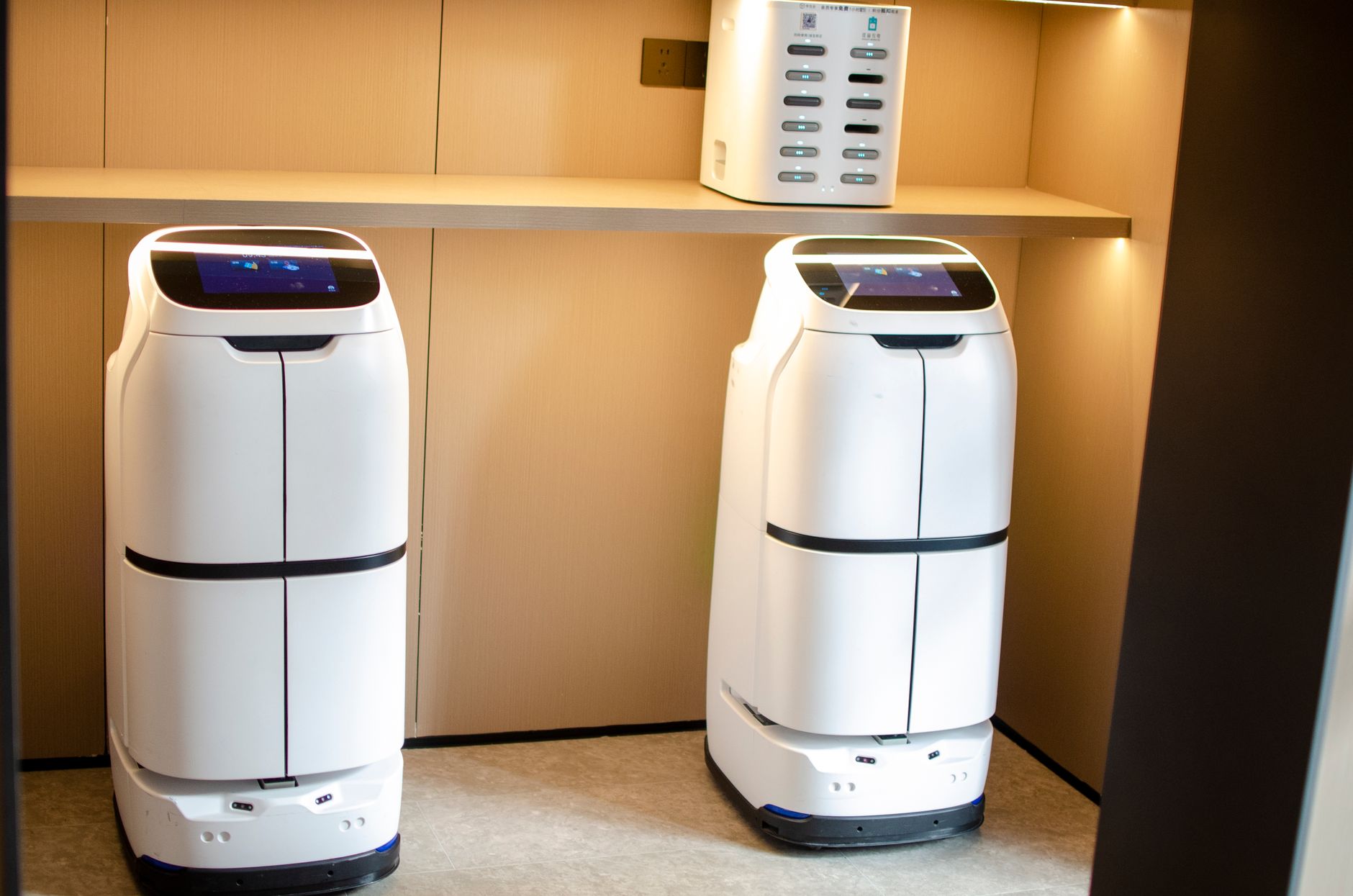
A staggering 75% of companies investing heavily in artificial intelligence (AI) have reported significant workforce reductions in the past year, defying the conventional wisdom that AI adoption is primarily driven by labor costs savings. This trend, exemplified by recent announcements from Meta and Microsoft, underscores a more nuanced reality: AI is not merely a tool for workforce optimization but a strategic imperative for long-term competitiveness.
Understanding the Layoff Landscape
The layoffs at Meta and Microsoft, two of the tech industry's most prominent players, have sparked a flurry of discussions about the role of AI in workforce reduction. However, a closer examination of the situation reveals that these layoffs are part of a broader restructuring aimed at positioning the companies for success in an increasingly AI-driven market. With the global AI market projected to exceed $190 billion by 2025, up from $22.6 billion in 2018, the race for AI supremacy is intensifying.
Historical Precedents and Market Context
- The tech industry has historically seen periods of significant investment in new technologies followed by restructuring and layoffs as companies adapt to changing market conditions.
- Competing technologies such as cloud computing and cybersecurity are also driving investment and workforce shifts.
- Expert analysis suggests that while AI can automate certain tasks, it also creates new job opportunities in areas like AI development, deployment, and ethics.
"The relationship between AI and jobs is more complex than a simple substitution effect. AI brings about new forms of work and requires a workforce that is adept at working alongside intelligent machines," notes Dr. Rachel Kim, a leading AI researcher.
What This Means for the Industry
Over the next 6-12 months, the tech industry can expect to see a continued emphasis on AI investment, alongside strategic workforce restructuring. This will lead to a more agile and technologically adept workforce, better positioned to drive innovation and competitiveness. As AI technologies continue to evolve, companies will need to balance the short-term efficiencies of automation with the long-term strategic value of human capital. This delicate balance will define the future of work in the tech industry and beyond.
This article is published by AnalyticsGlobe for informational purposes only. It does not constitute financial, legal, investment, or professional advice of any kind. Always conduct your own research and consult qualified professionals before making any decisions.
Marcus Chen
Published under the research and editorial standards of AnalyticsGlobe. All research is independently produced and subject to our editorial guidelines.