AI Image Generation Revolution: ChatGPT Images 2.0 Sets New Standards
The emergence of ChatGPT Images 2.0 signifies a critical juncture in the AI image generation landscape, poised to disrupt creative industries with its high-quality image production capabilities. As the global AI in the creative industry market is projected to reach $8.8 billion by 2028, the strategic timing of ChatGPT Images 2.0's release positions it for significant market impact.
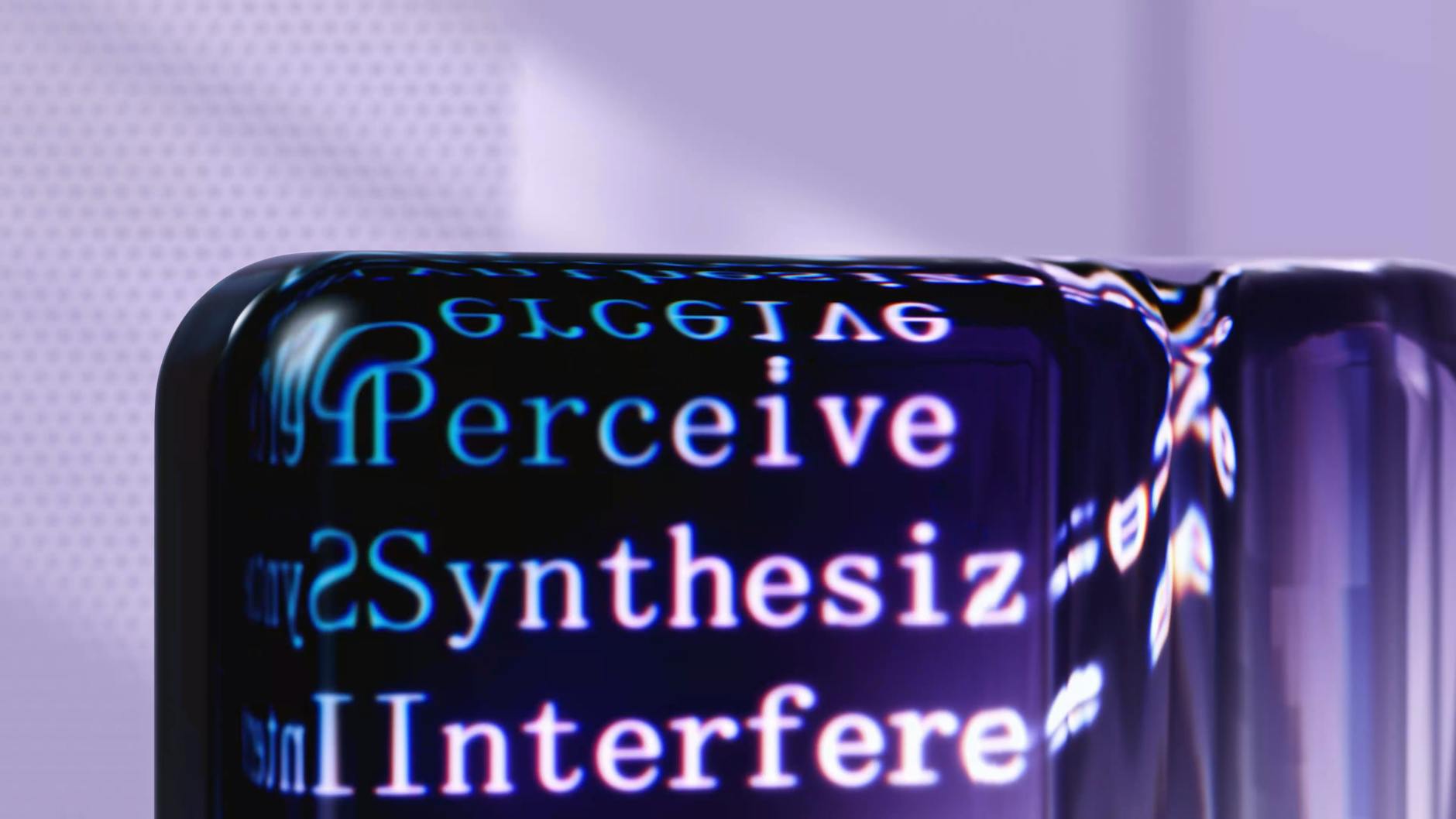
The recent unveiling of ChatGPT Images 2.0 marks a significant milestone in the AI image generation landscape, with its ability to produce high-quality visuals that are not only aesthetically pleasing but also surprisingly useful for real-world applications. What's more intriguing, however, is the timing of this release, coming on the heels of a report by Grand View Research, which predicts the global AI in the creative industry market to reach $8.8 billion by 2028, growing at a CAGR of 26.3%. This juxtaposition highlights the strategic positioning of ChatGPT Images 2.0 in a market that is poised for exponential growth.
Market Landscape and Competitors
The introduction of ChatGPT Images 2.0 into the market doesn't occur in a vacuum. Competitors such as DALL-E and Midjourney are already making waves in the AI image generation sector. However, the unique selling proposition of ChatGPT Images 2.0 lies in its ability to handle complex prompts, branding, text, and infographics with a high degree of accuracy, albeit with occasional errors. According to a study by McKinsey, companies that successfully integrate AI into their creative processes can see an increase in productivity by up to 40%.
Historical Context and Expert Insights
- The development of AI image generation tools is rooted in the advancements of machine learning algorithms and deep learning techniques.
- Expert insights from professionals like Dr. Fei-Fei Li, the director of the Stanford Artificial Intelligence Lab (SAIL), emphasize the importance of transparency and accountability in AI-generated content.
- A survey conducted by the Pew Research Center found that 70% of adults in the US believe that AI-generated content will have a significant impact on the job market in the next decade.
"The integration of AI in creative industries is not about replacing human creativity but augmenting it. Tools like ChatGPT Images 2.0 are the beginning of a new era where AI and human collaboration can lead to unprecedented innovation," said Dr. Nick McKeown, a professor of electrical engineering and computer science at Stanford University.
What This Means for the Industry
In the next 6-12 months, the AI image generation market is expected to see a surge in the adoption of tools like ChatGPT Images 2.0, not only in creative industries but also in sectors such as education, marketing, and healthcare. As the technology matures, we can anticipate the development of more sophisticated AI models that can produce high-quality images with minimal human intervention. However, this growth also raises important questions about copyright, ethical use, and the need for regulatory frameworks that can address the challenges posed by AI-generated content. According to Gartner, by 2025, 30% of new content will be generated by AI, underscoring the urgency for addressing these issues.
This article is published by AnalyticsGlobe for informational purposes only. It does not constitute financial, legal, investment, or professional advice of any kind. Always conduct your own research and consult qualified professionals before making any decisions.
James Whitfield
Published under the research and editorial standards of AnalyticsGlobe. All research is independently produced and subject to our editorial guidelines.