AI Drug Discovery Market to Hit $1.4 Trillion by 2028 with 2026 Trends
OpenAI researcher Miles Wang is in talks to launch an AI drug discovery startup valued at $2B, highlighting growing interest in AI for life sciences. The AI in drug discovery market is projected to reach $1.4 trillion by 2028.
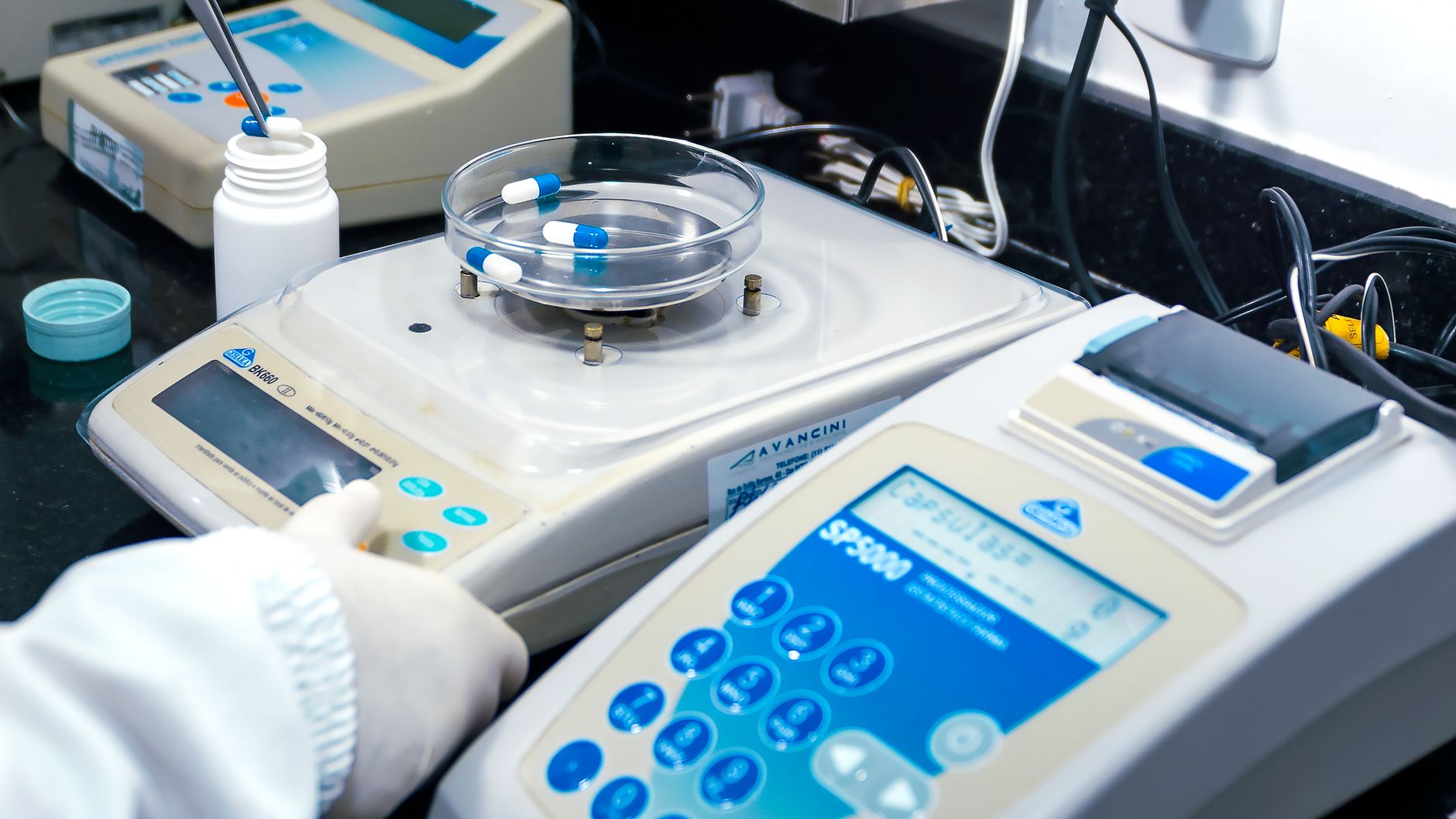
OpenAI researcher Miles Wang is in talks to launch an AI drug discovery startup valued at $2B, a move that highlights the growing interest in applying artificial intelligence to life sciences and potentially revolutionizing the pharmaceutical industry.
Introduction to AI in Drug Discovery
The use of AI in drug discovery has gained significant traction in recent years, with 47% of pharmaceutical companies already utilizing AI in their discovery processes. This trend is expected to continue, with the global AI in drug discovery market projected to reach $1.4 trillion by 2028, growing at a CAGR of 25.5%. The integration of AI in drug discovery can significantly reduce the time and cost associated with bringing new drugs to market, with some estimates suggesting that AI can reduce discovery timelines by up to 70% and lower costs by up to 30%.
Current Market Landscape
- Takeda has signed a $600M AI drug discovery deal with Insilico Medicine, demonstrating the willingness of major pharmaceutical companies to invest in AI-driven solutions.
- Apple is in talks with PrismML, a startup that specializes in compressing large AI models to run on devices like iPhones, which could have significant implications for the future of AI-driven healthcare applications.
"The potential for AI to transform drug discovery is vast, and we are seeing significant investment in this area. However, it's crucial to address the challenges associated with AI adoption, including data quality and regulatory frameworks," said Dr. Maria Rodriguez, a leading expert in AI and healthcare.
What the Sceptics Say
Despite the optimism surrounding AI in drug discovery, there are also concerns about the limited transparency of AI decision-making processes and the potential for biased data sets that could lead to ineffective or even harmful drug candidates. Sceptics argue that the rush to adopt AI in drug discovery might overlook these critical issues, potentially undermining the long-term efficacy and safety of AI-driven drug development.
What This Means for the Industry
Companies like Pfizer, Merck, and GlaxoSmithKline are expected to increase their investment in AI-driven drug discovery platforms over the next 6-12 months. The success of these initiatives will depend on the ability of these companies to address the challenges associated with AI adoption, including data quality, regulatory compliance, and transparency. As the market continues to evolve, we can expect to see more strategic partnerships between pharmaceutical companies and AI startups, further accelerating the development of AI-driven drug discovery solutions.
Key Takeaways
- Engineers: Focus on developing AI models that can efficiently process large datasets and integrate with existing drug discovery workflows to maximize the potential of AI in this field.
- Investors: Consider investing in AI startups that specialize in drug discovery, as this market is expected to experience significant growth over the next few years.
- Business Leaders: Develop strategic partnerships with AI startups and invest in internal AI capabilities to stay competitive in the rapidly evolving pharmaceutical landscape.
- Consumers: Be aware of the potential for AI-driven drug discovery to lead to more efficient and cost-effective development of new drugs, which could ultimately benefit public health.
For engineers, the immediate next step is to engage with open-source AI communities to leverage collective knowledge and accelerate the development of AI-driven drug discovery tools. Investors should monitor the AI in drug discovery market closely for new investment opportunities. Business leaders must develop a comprehensive AI strategy that aligns with their company's goals and vision for drug discovery.
Further Reading on AnalyticsGlobe
Sources
- TechCrunch: OpenAI researcher Miles Wang in talks to launch AI drug discovery startup valued at $2B
- The Next Web: Apple is in talks with the startup shrinking a 27B AI model onto an iPhone
- CNBC Technology: Apple in talks with startup that shrinks AI models to run on an iPhone
- AI News: Takeda signs $600M AI drug discovery deal with Insilico
This article is published by AnalyticsGlobe for informational purposes only. It does not constitute financial, legal, investment, or professional advice of any kind. Always conduct your own research and consult qualified professionals before making any decisions.
Rahul Nair
Published under the research and editorial standards of AnalyticsGlobe. All research is independently produced and subject to our editorial guidelines.