AI-Driven Demand Reshapes Mac Mini Market Dynamics
The Mac mini shortage is a symptom of a larger trend, where the demand for AI-focused hardware is outpacing supply, driving innovation and growth in the AI chip market. As the industry responds to these challenges, new entrants and solutions are expected to emerge, shaping the future of AI adoption and deployment.
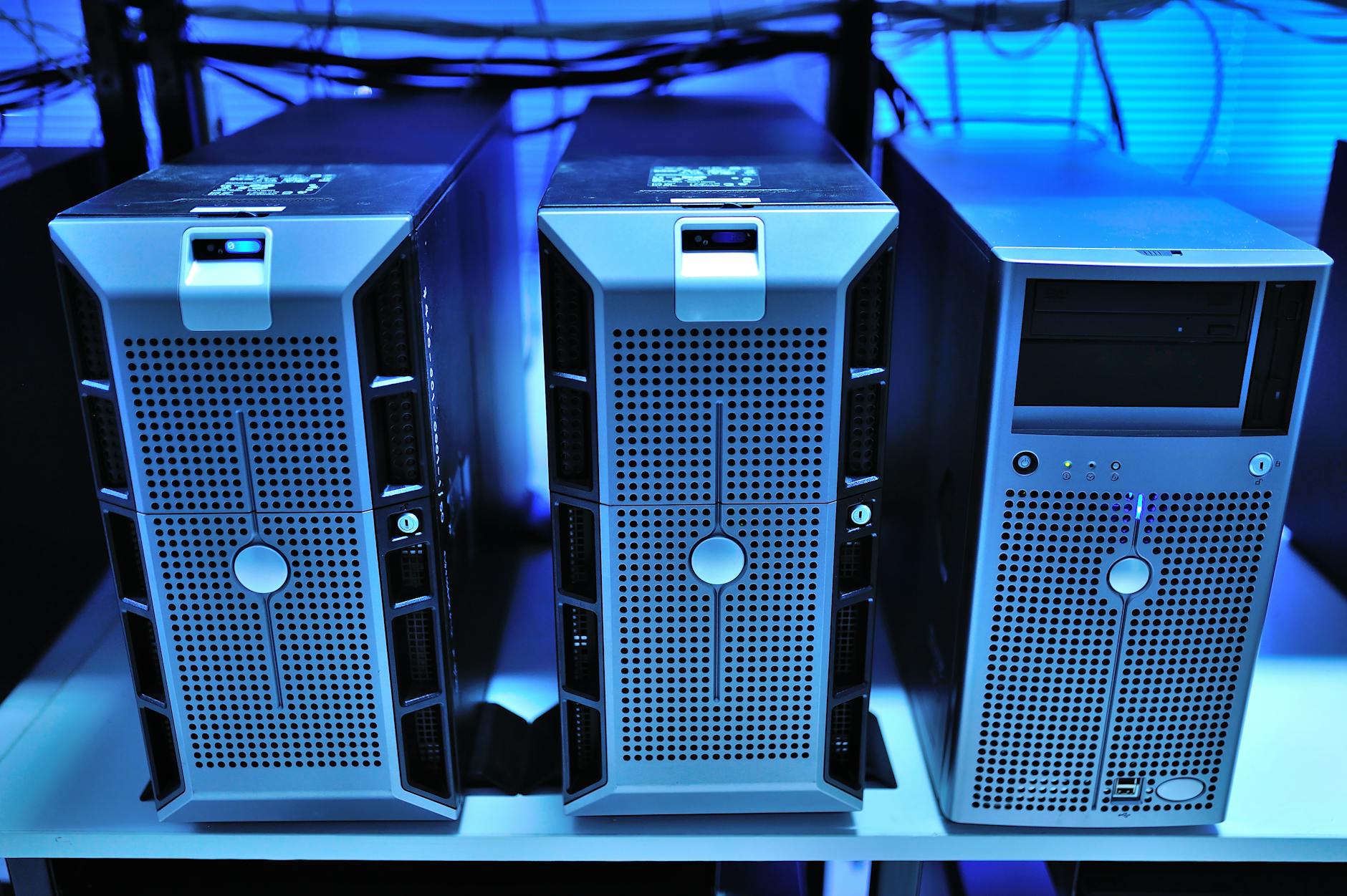
The surge in demand for Apple's Mac mini, driven by the need for local AI model training and deployment, has led to a significant shortage of these compact desktops, with marked-up listings on eBay highlighting the desperation of businesses and individuals to capitalize on AI opportunities. This trend is not isolated to the Mac mini, as the broader market for AI-focused hardware is experiencing unprecedented growth, with the global AI chip market projected to reach $34.4 billion by 2025, up from $4.7 billion in 2020.
Market Context and Competing Products
The Mac mini's popularity for AI applications can be attributed to its relatively affordable price point, compact design, and ease of use, making it an attractive option for developers, researchers, and small businesses looking to integrate AI into their workflows. However, Apple is not the only player in the market, as companies like NVIDIA, Google, and Amazon are also offering AI-focused hardware solutions, including the NVIDIA Jetson series, Google's Coral platform, and Amazon's SageMaker.
Historical Context and Expert Insights
- The demand for AI hardware is reminiscent of the early days of the PC revolution, where the scarcity of components and the high cost of entry limited adoption, but also fueled innovation and the development of new technologies.
- According to Dr. Andrew Ng, AI pioneer and founder of Coursera, the current AI hardware shortage is a symptom of a larger issue - the need for more accessible and affordable AI solutions that can bridge the gap between research and practical applications.
- A recent survey by the AI Now Institute found that 75% of businesses are planning to increase their AI investments over the next 12 months, with 60% citing the need for better hardware and infrastructure as a key challenge to adoption.
The AI hardware market is at a crossroads, with the demand for AI-focused solutions outpacing the supply of capable devices. As the industry continues to evolve, we can expect to see new entrants and innovative solutions that address the current shortages and challenges, says Anand Rao, Global AI Leader at PwC.
What This Means for the Industry
Over the next 6-12 months, the AI hardware market is expected to continue its rapid growth, driven by increasing demand from businesses, researchers, and individuals. As the industry responds to the current shortages, we can expect to see new product releases, partnerships, and innovations that address the need for more accessible and affordable AI solutions. This will likely include the development of more specialized AI chips, advancements in cloud-based AI services, and the emergence of new business models that prioritize AI accessibility and affordability.
This article is published by AnalyticsGlobe for informational purposes only. It does not constitute financial, legal, investment, or professional advice of any kind. Always conduct your own research and consult qualified professionals before making any decisions.
Sofia Eriksson
Published under the research and editorial standards of AnalyticsGlobe. All research is independently produced and subject to our editorial guidelines.