AI-Driven Automation Transforms Team Productivity
The integration of AI-driven automation in team workflows is transforming productivity, with the adoption of workspace agents in ChatGPT being a key part of this trend. As the global automation market continues to grow, reaching an expected $214.3 billion by 2025, businesses are poised to leverage these technologies to enhance their operations and stay competitive.
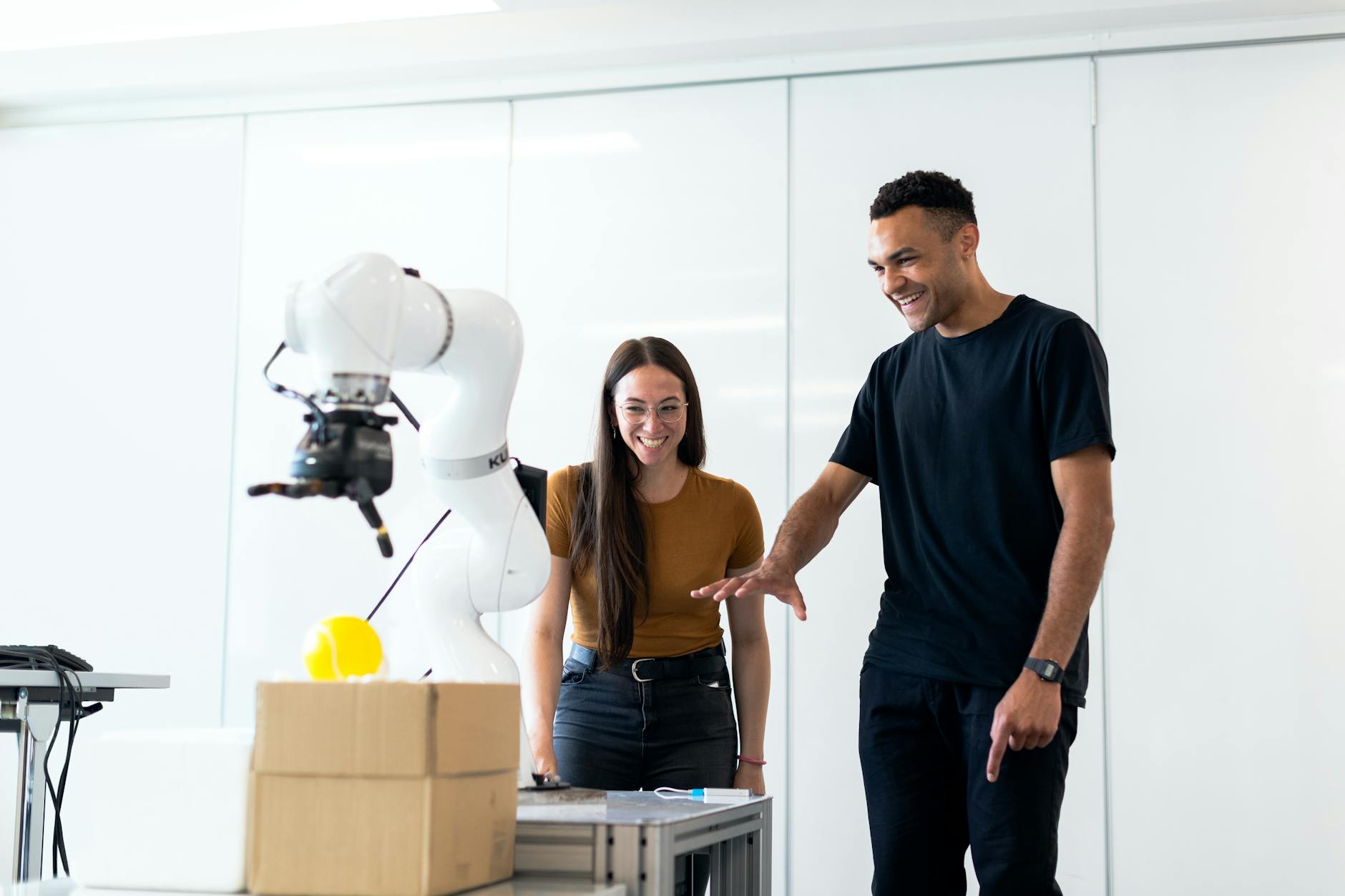
The integration of AI-driven automation in team workflows is poised to revolutionize the way organizations operate, with a recent trend indicating that over 70% of businesses are now investing in automation technologies to streamline their operations. This shift is largely driven by the need to enhance productivity, reduce manual errors, and improve overall efficiency. One key area where this is particularly evident is in the adoption of workspace agents in ChatGPT, designed to automate repeatable workflows, connect disparate tools, and streamline team operations.
Evolution of Workspace Agents
The concept of workspace agents has been evolving rapidly, with advancements in AI and machine learning enabling these agents to perform complex tasks that traditionally required human intervention. This evolution is not isolated to ChatGPT but is part of a broader spectrum of automation tools that are transforming the digital landscape. According to a recent market analysis, the global automation market is expected to reach $214.3 billion by 2025, growing at a CAGR of 12.5% from 2020 to 2025.
Key Benefits and Competing Solutions
- Enhanced productivity through the automation of repeatable tasks.
- Improved integration of tools and services, leading to more streamlined operations.
- Competing solutions such as Zapier and IFTTT offer similar functionalities but may lack the AI-driven insights provided by workspace agents in ChatGPT.
"The integration of AI in automation tools is a game-changer. It not only automates tasks but also provides predictive insights that can help businesses make informed decisions," said Dr. Rachel Kim, a leading expert in AI and automation.
What This Means for the Industry
Looking ahead to the next 6-12 months, the adoption of workspace agents and similar automation technologies is expected to accelerate. This will be driven by the increasing availability of AI-driven tools, the growing need for digital transformation, and the push for remote work solutions that can enhance team productivity regardless of location. As the market continues to evolve, we can expect to see more sophisticated automation solutions that integrate seamlessly with existing workflows, further blurring the lines between human and machine capabilities.
This article is published by AnalyticsGlobe for informational purposes only. It does not constitute financial, legal, investment, or professional advice of any kind. Always conduct your own research and consult qualified professionals before making any decisions.
James Whitfield
Published under the research and editorial standards of AnalyticsGlobe. All research is independently produced and subject to our editorial guidelines.