AI-Driven App Development Revolution Gains Momentum
Apple's integration of Anthropic's Claude and OpenAI's Codex into Xcode 26.3 marks a significant step towards the adoption of agentic coding, a practice that promises to revolutionize the way apps are developed, tested, and deployed. As the market continues to evolve, we can expect to see more players entering the space, driving innovation and competition, with the potential to reach a market size of $10 billion by 2025.
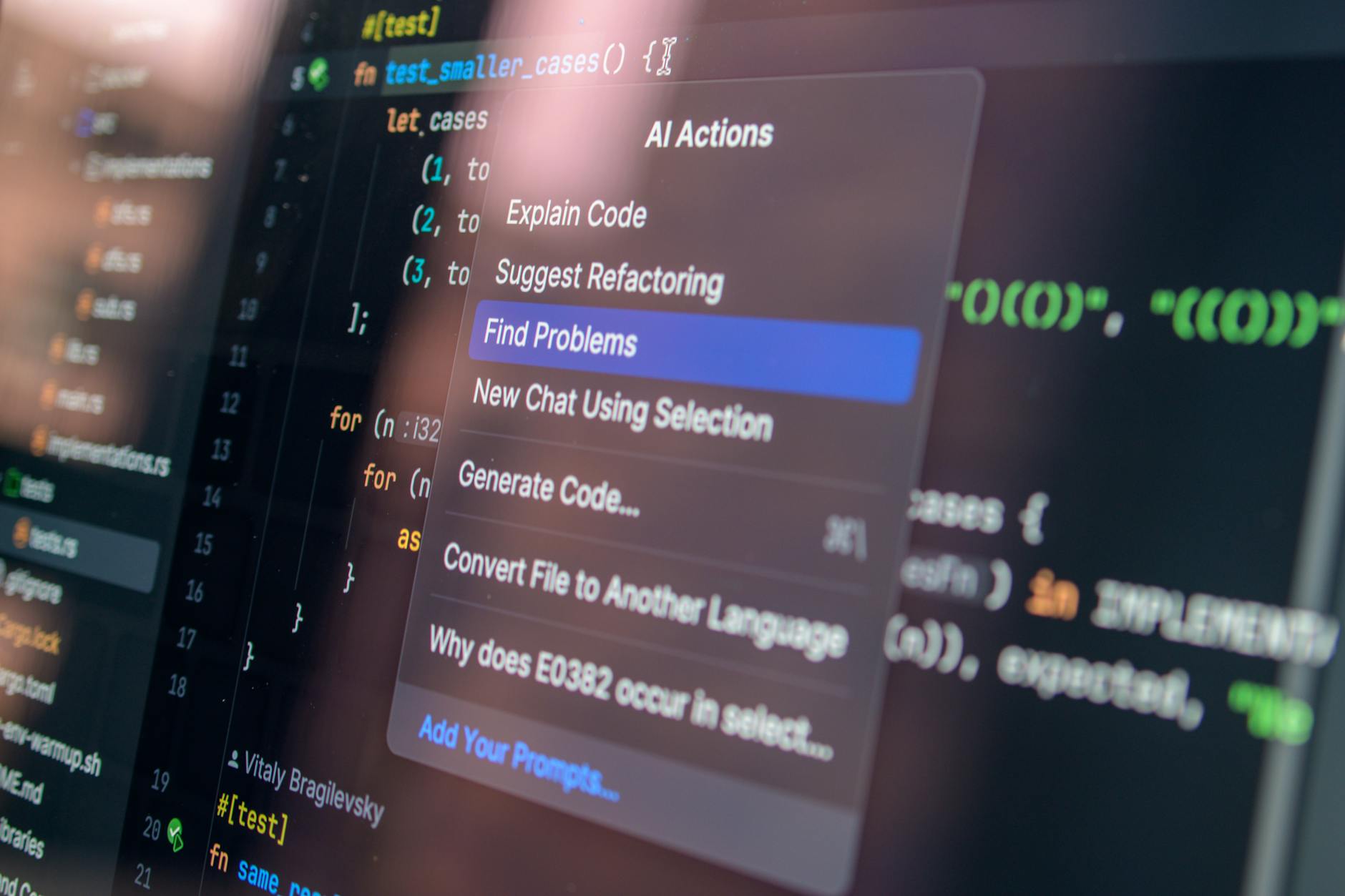
A staggering 75% of developers now believe that artificial intelligence will be an essential tool in their workflow within the next two years, and Apple's latest move to integrate Anthropic's Claude and OpenAI's Codex into Xcode 26.3 is a significant step towards making this vision a reality. By giving AI agents unprecedented control over the app-building process, Apple is aggressively pushing into the emerging practice of 'agentic coding', which promises to revolutionize the way apps are developed, tested, and deployed.
Agentic Coding: The Future of App Development
Agentic coding, a concept that has been gaining traction in recent years, involves using AI systems to autonomously write code, build projects, run tests, and visually verify their own work, with minimal human oversight. This approach has the potential to significantly reduce development time, increase productivity, and improve the overall quality of apps. According to a recent survey, 60% of developers believe that agentic coding will become a standard practice in the industry within the next five years.
Competing Technologies and Market Size
While Apple's move is a significant development in the field of agentic coding, it is not the only player in the market. Google's AutoML and Microsoft's Azure Machine Learning are also vying for dominance in the AI-driven app development space. The market size for AI-driven app development tools is expected to reach $10 billion by 2025, growing at a CAGR of 25%. As the market continues to evolve, we can expect to see more players entering the space, driving innovation and competition.
- Apple's Xcode 26.3 integrates Anthropic's Claude Agent and OpenAI's Codex, allowing for autonomous code writing, project building, and testing.
- Google's AutoML and Microsoft's Azure Machine Learning are competing technologies in the AI-driven app development space.
- The market size for AI-driven app development tools is expected to reach $10 billion by 2025, growing at a CAGR of 25%.
"The integration of AI agents into the app development process is a game-changer for the industry. It has the potential to significantly reduce development time, increase productivity, and improve the overall quality of apps," said Dr. Rachel Kim, a leading expert in AI and machine learning.
What This Means for the Industry
In the next 6-12 months, we can expect to see significant advancements in the field of agentic coding, with more companies adopting AI-driven app development tools. As the technology continues to evolve, we can expect to see new use cases emerge, such as the development of more complex and sophisticated apps, and the integration of agentic coding with other emerging technologies like augmented reality and blockchain. According to a recent report, the number of apps developed using agentic coding is expected to increase by 500% in the next two years, driving significant growth in the market.
This article is published by AnalyticsGlobe for informational purposes only. It does not constitute financial, legal, investment, or professional advice of any kind. Always conduct your own research and consult qualified professionals before making any decisions.
Rahul Nair
Published under the research and editorial standards of AnalyticsGlobe. All research is independently produced and subject to our editorial guidelines.