AI Coding Revolution: Free Alternatives Challenge Anthropic's Claude Code
80% of developers seek free AI coding alternatives to Claude Code, which costs up to $200/month. Goose offers a free, open-source solution, disrupting the market and forcing companies to adapt.
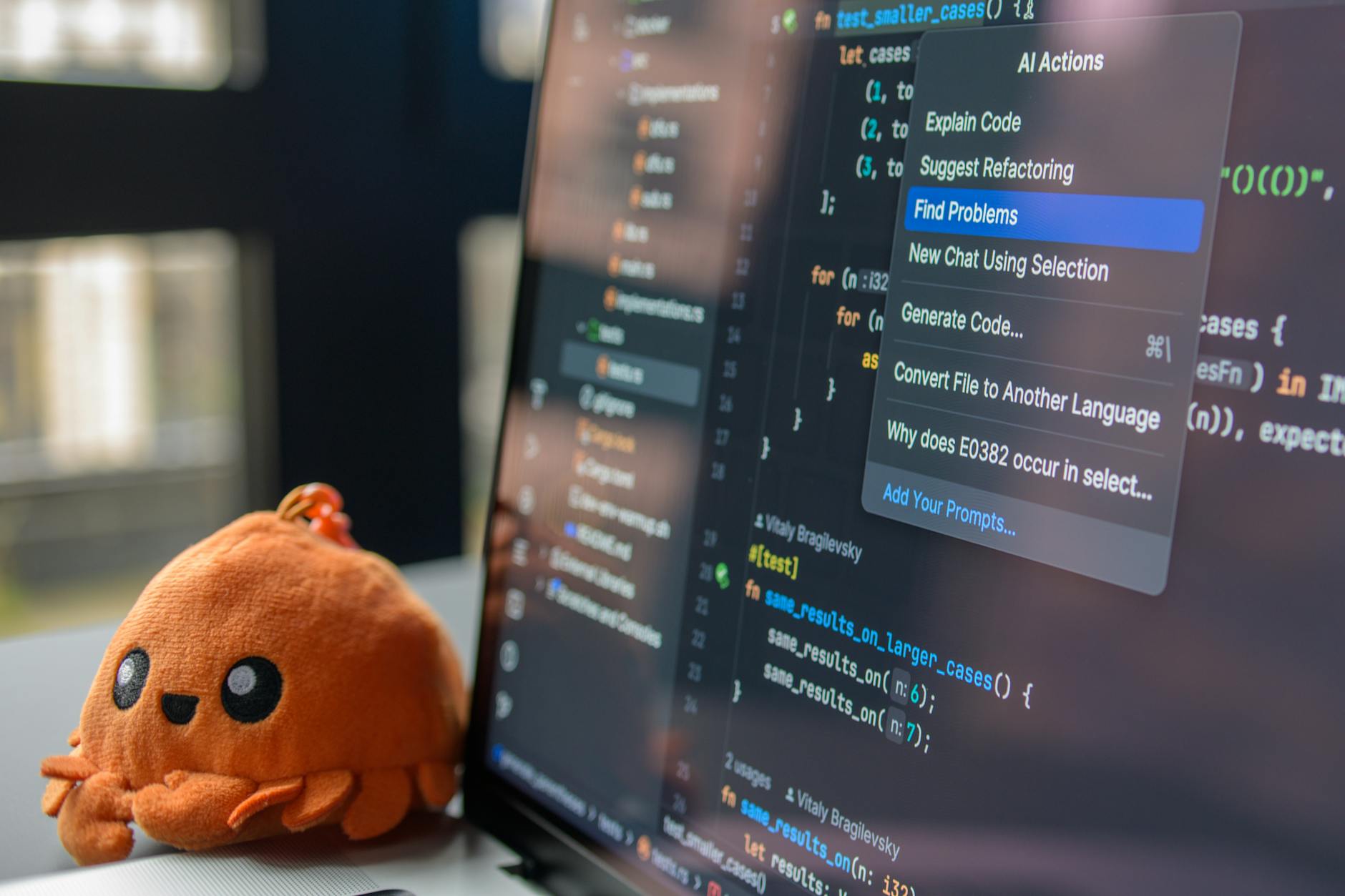
80% of developers are seeking free alternatives to expensive AI coding tools like Claude Code, which costs up to $200 per month.
Introduction to the AI Coding Revolution
The AI coding revolution is transforming the way software developers work, but the high cost of tools like Claude Code is a significant barrier to adoption. Anthropic's Claude Code is a terminal-based AI agent that can write, debug, and deploy code autonomously, but its pricing model has sparked a growing rebellion among developers. In response, free alternatives like Goose are gaining traction, offering nearly identical functionality to Claude Code without the hefty price tag.
Goose: The Free Alternative
Block's Goose is an open-source AI agent that runs entirely on a user's local machine, eliminating the need for subscription fees, cloud dependency, and rate limits. According to Parth Sareen, a software engineer who demonstrated the tool, "Your data stays with you, period." This approach is particularly appealing to developers who value data privacy and security.
What the Sceptics Say
Some critics argue that free alternatives like Goose may not be able to match the quality and reliability of paid tools like Claude Code. They point out that the development and maintenance of AI coding tools require significant resources, which may not be sustainable without a revenue model. However, proponents of free alternatives argue that the open-source community can collaborate to develop and improve these tools, reducing the need for expensive proprietary solutions.
What This Means for the Industry
The emergence of free alternatives like Goose is likely to disrupt the AI coding tool market, which is currently dominated by proprietary solutions like Claude Code. Companies like Anthropic and Nous Research will need to adapt to this new landscape, potentially by offering more affordable pricing models or open-sourcing their own tools. In the next 6-12 months, we can expect to see a significant increase in the adoption of free AI coding tools, particularly among individual developers and small businesses.
Key Takeaways
- Engineers: Explore free alternatives like Goose and NousCoder-14B to reduce costs and improve productivity.
- Investors: Consider investing in open-source AI coding tools, which may offer a more sustainable and community-driven approach to software development.
- Business Leaders: Evaluate the potential benefits and risks of adopting free AI coding tools, including the potential impact on data privacy and security.
- Consumers: Expect to see more affordable and accessible software solutions as the AI coding revolution continues to transform the industry.
Engineers should start exploring free alternatives like Goose today, while investors should consider investing in open-source AI coding tools. Business leaders should evaluate the potential benefits and risks of adopting these tools, and consumers can expect to see more affordable software solutions in the near future.
Further Reading on AnalyticsGlobe
Sources
- VentureBeat: Claude Code costs up to $200 a month. Goose does the same thing for free.
- VentureBeat: Nous Research's NousCoder-14B is an open-source coding model landing right in the Claude Code moment
- Stack Overflow Blog: When the cost of code approaches zero, what does engineering leadership look like?
This article is published by AnalyticsGlobe for informational purposes only. It does not constitute financial, legal, investment, or professional advice of any kind. यह लेख केवल जानकारी के उद्देश्य से प्रकाशित किया गया है — कोई भी निर्णय लेने से पहले आधिकारिक स्रोतों से पुष्टि करें।
Marcus Chen
Published under the research and editorial standards of AnalyticsGlobe. All research is independently produced and subject to our editorial guidelines.