AI Adoption Hinges on Robust Data Infrastructure Foundations
The widespread adoption of AI in the enterprise is contingent upon the development of robust data infrastructure foundations, with the data fabric market poised to grow exponentially. As companies invest in cloud-based data management and real-time analytics, they will be better positioned to leverage AI across multiple business functions, driving efficiency, innovation, and competitive advantage.
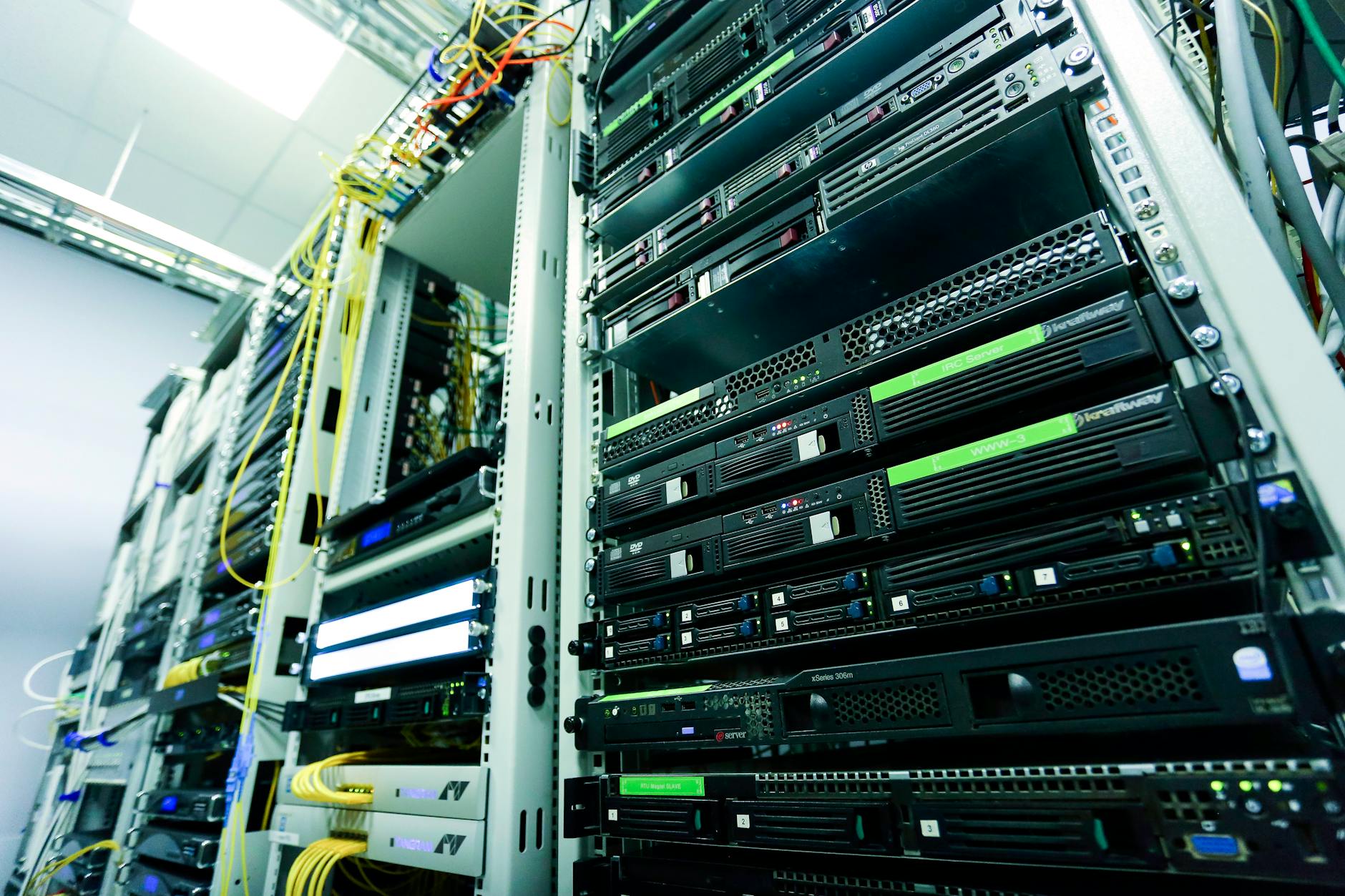
A staggering 70% of executives believe that artificial intelligence will be crucial to their business's success within the next two years, yet a significant gap remains in the underlying data fabric necessary to support this vision. As organizations rush to deploy AI solutions across various business functions, from finance and supply chains to human resources and customer operations, the importance of a solid data infrastructure cannot be overstated. According to a recent survey, by the end of 2025, half of companies will be using AI in at least three business functions, underscoring the urgency of addressing this foundational aspect.
The State of AI in the Enterprise
The rapid proliferation of AI within the enterprise is not merely a trend but a strategic imperative for businesses seeking to maintain a competitive edge. However, the effective deployment of AI hinges on the availability of high-quality, diverse, and voluminous data sets. The data fabric, which encompasses the entire spectrum of data management from ingestion to analytics, is emerging as a critical component in the AI ecosystem.
Competing Technologies and Market Context
The data fabric market is expected to grow significantly, with estimates suggesting it will reach $4.8 billion by 2027, up from $1.4 billion in 2022, at a Compound Annual Growth Rate (CAGR) of 23.6% during the forecast period. This growth is driven by the increasing adoption of cloud-based data management solutions and the rising need for real-time data analytics. Key players such as Oracle, IBM, and Microsoft are investing heavily in developing advanced data fabric solutions to cater to the burgeoning demand from AI-driven businesses.
- Oracle's Autonomous Database is a prime example of how traditional database management systems are evolving to support AI workloads.
- IBM's Cloud Pak for Data offers a unified platform for collecting, organizing, and analyzing data from various sources, facilitating AI model training and deployment.
- Microsoft Azure's Synapse Analytics provides a cloud-native analytics service that brings together enterprise data warehousing and big data analytics, supporting AI applications.
As noted by Dr. Michael Stonebraker, a renowned computer scientist, "The next generation of data management systems must be able to handle the scale, diversity, and complexity of data that AI applications demand. This is not just about storage; it's about creating a seamless, real-time data fabric that fuels AI innovation."
What This Means for the Industry
In the next 6-12 months, we can expect a significant uptick in investments in data fabric technologies as companies seek to solidify their AI foundations. The proliferation of cloud-native data management solutions and the increasing adoption of hybrid and multi-cloud strategies will further propel the growth of the data fabric market. Moreover, the integration of emerging technologies such as quantum computing and edge computing with data fabric solutions will open up new avenues for innovation in AI, enabling more sophisticated and decentralized data processing and analysis.
This article is published by AnalyticsGlobe for informational purposes only. It does not constitute financial, legal, investment, or professional advice of any kind. Always conduct your own research and consult qualified professionals before making any decisions.
Ananya Rao
Published under the research and editorial standards of AnalyticsGlobe. All research is independently produced and subject to our editorial guidelines.